A week in Dubai is the version where you stop rushing. Three days is a highlights reel. Five days is a decent trip. Seven days is enough to actually understand the city, how it's laid out, which parts of it you like, where the residents eat versus where the tourists eat, and what it feels like on a slow Thursday morning versus a Friday afternoon when half the city is at brunch.
The structure here is the same as the 3 and 5-day versions of this guide: each day stays in its part of the city, you don't cross Dubai twice before noon, and the day trips are placed where they make the most sense rather than wherever there was a gap to fill. Seven days also means two proper day trips out of the city, a Friday brunch done properly, and enough breathing room that you don't arrive home exhausted.
Three things to book before you arrive: the Burj Khalifa, the desert safari, and your Friday brunch reservation if it falls on day four or five. The Burj Khalifa is cheaper online than at the door and it sells out. The brunch venues worth going to fill up a week in advance. Everything else can be decided once you're here.
Day One: Downtown Dubai and Old Dubai
Start the week the way every Dubai trip should start - the modern city in the morning, the historic city in the afternoon, and the fountain in the evening. This is the right order and it works because the geography supports it. You're not crossing the city at any point.
Burj Khalifa first thing. Book the At the Top tickets (Level 124/125) online before you come they're significantly cheaper than door price and you skip the entry queue. Morning is right: better light, shorter queues, cleaner air. An hour is about what you need up there. Come down and do the Burj Lake boardwalk on foot - it's free and it's the best ground-level view of the building you'll get. The Dubai Mall is adjacent; the aquarium tank is viewable from outside for free, which is the version I'd take over paying AED 100-140 to go inside unless aquariums are specifically interesting to you.
After lunch, take a Careem south to Al Fahidi. This is Dubai's old city preserved wind-tower architecture, narrow lanes, no glass and steel anywhere. Walk through it slowly, it takes forty minutes and it looks nothing like the rest of the emirate. The Dubai Museum is here. AED 3 and worth every fils of it for the context it gives you about how this place went from a fishing village to what you were just looking at from the top of the world's tallest building. Do both.
Walk from Al Fahidi to Dubai Creek and take an abra across to Deira. AED 1 on a wooden boat and it's one of those things that sounds modest and turns out to be one of the better moments of the trip. The Gold Souk and Spice Souk are five minutes apart on the Deira side. Both are free to walk through. The gold is displayed at a scale that photographs don't convey. The spice souk smells exactly right. You don't have to buy anything.
Back to Downtown in the evening for the fountain. It runs every thirty minutes from 6pm. Watch it from the boardwalk for free or find a table at one of the cafes in Souk Al Bahar - the low-rise Arabian-style mall next to the Dubai Mall has fountain views without the two-week reservation lead time of the formal restaurants.
Day Two: Dubai Marina, JBR, and the Palm
Same corner of the city, three different things, and they all connect without requiring you to cross town. Start at the beach, move through the Marina at lunch, finish the afternoon on the Palm.
JBR Beach in the morning before 10am. Public beach, 1.7km of it, and this is where Dubai residents actually spend Friday mornings rather than tourists. The water is calm and warm for most of the year. Breakfast on The Walk at JBR before the beach - decent options from AED 40 upwards and it's a more pleasant way to eat than anything in a hotel lobby.
Dubai Marina Walk at lunch. 3.5km promenade around the canal, better in the evening when the lights are on but perfectly good at midday for lunch and a walk. The Marina has enough restaurants across enough price points that you won't spend time trying to find somewhere. After lunch, the Palm.
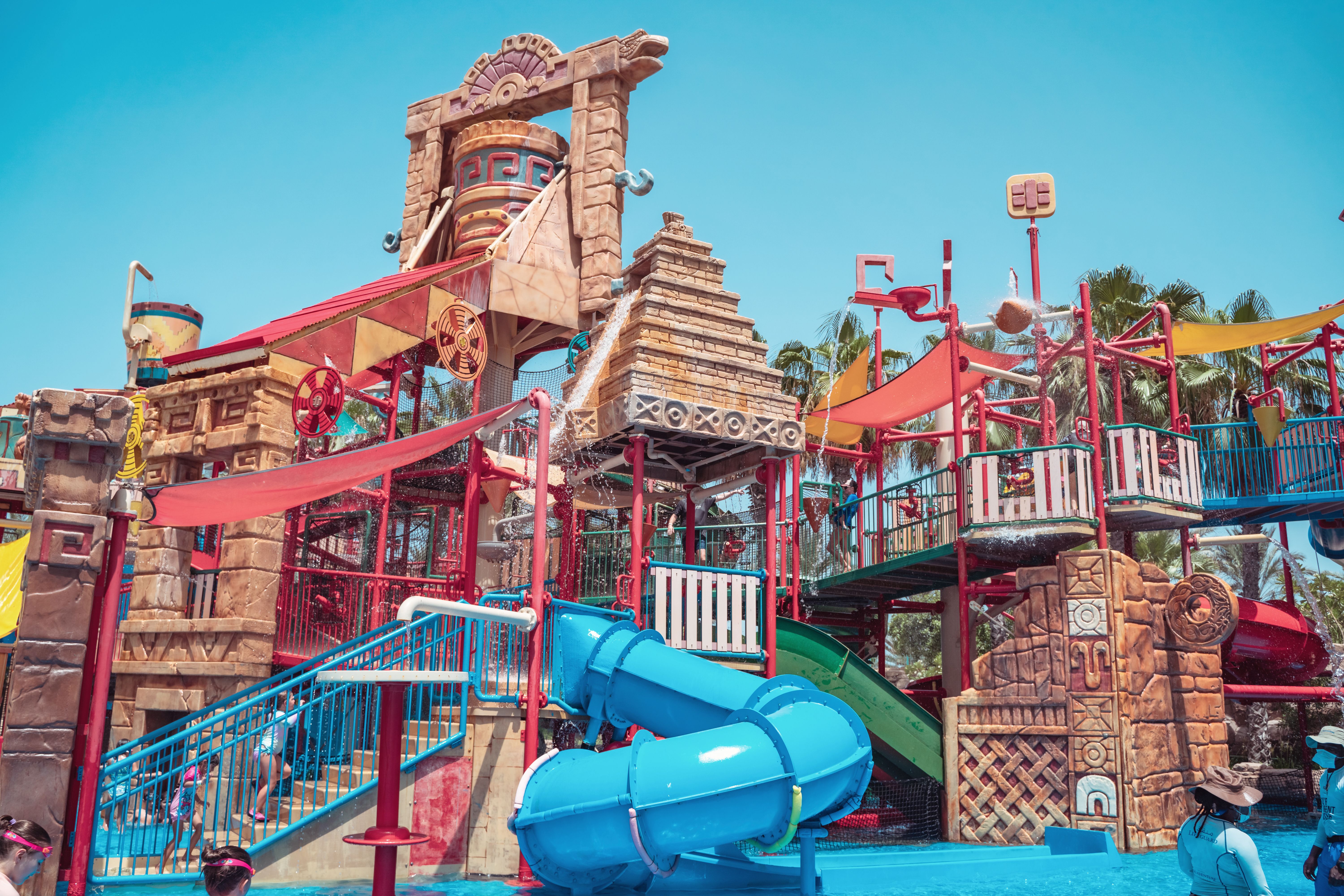
Take the monorail from the mainland, AED 10 each way because the ride itself shows you the Palm's scale in a way that being on the ground doesn't. At the top end: The View at The Palm on the 52nd floor of Palm Tower is AED 130 and gives you the full top-down frond layout that no photo conveys properly. Aquaventure is there if you want a waterpark afternoon AED 395 and it's genuinely good but it's a choice, not something you can add to the rest of the day.
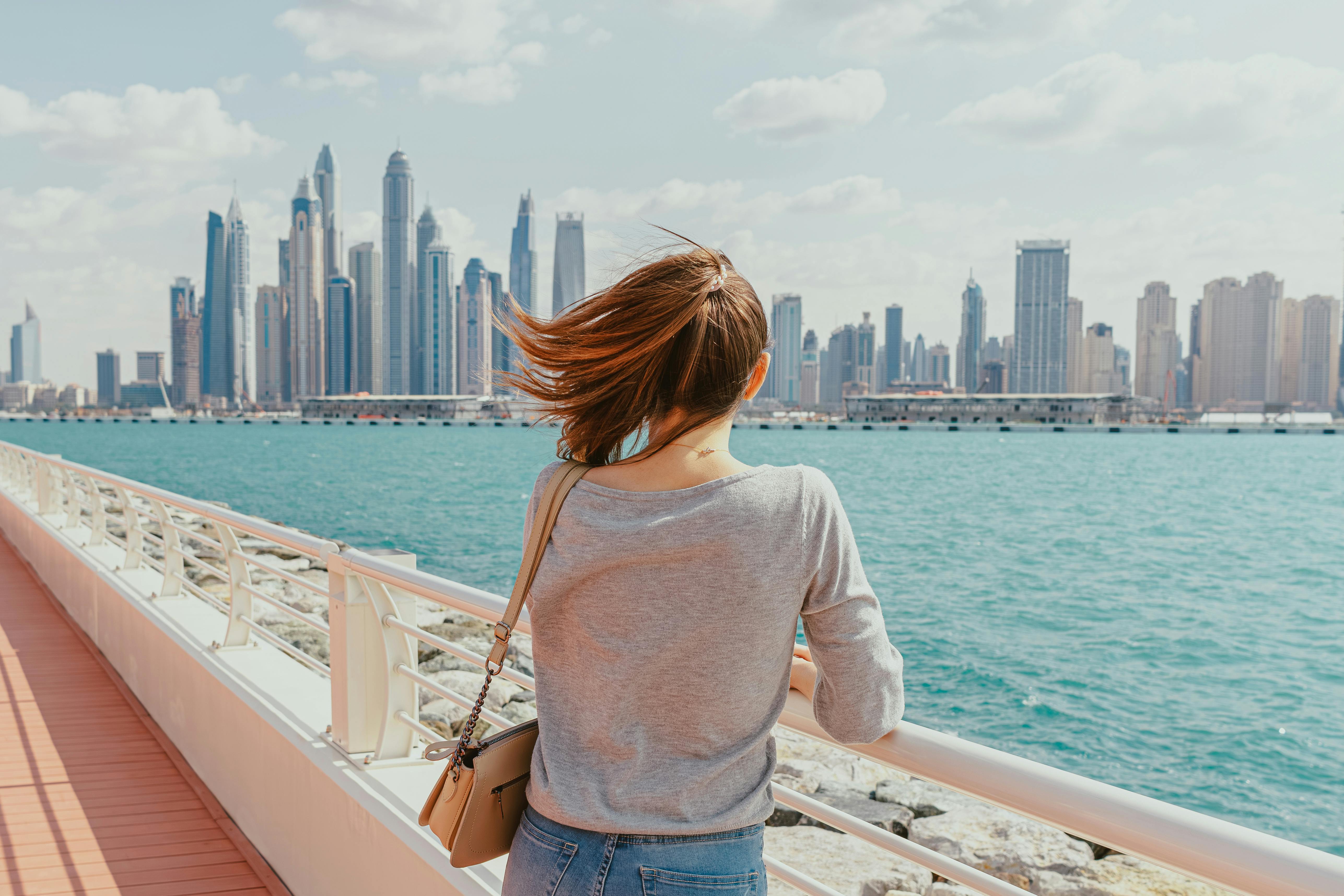
Walk back along the Palm boardwalk toward sunset. The views of the Marina skyline in the hour before dark are the best the city offers from ground level. It doesn't cost anything. Most of the people walking alongside you are residents who do this regularly for exactly that reason.
Day Three: Al Seef, Bur Dubai, and DIFC
Day three is the one that most itineraries skip and it's where a 7-day trip starts to feel different from a shorter one. No major landmarks today. This is the day you understand how the city actually lives.
Start the morning in Al Seef, the Creek-side district south of Al Fahidi. It's a newer development built in the old architectural style and it holds up better than that description makes it sound the waterfront promenade has good cafes, the pace is slow, and on a weekday morning it's genuinely quiet in a way that few parts of Dubai are. Have coffee here. Take your time. It earns it.
Cross into Bur Dubai and walk through the area around Meena Bazaar. This is one of the oldest trading districts in the city fabric shops, spice merchants, textile wholesalers, food that has nothing to do with the hotel dining circuit. The restaurants in this area serve some of the most genuinely good Indian and Pakistani food in Dubai at prices that feel like a different city entirely. Lunch here. Order whatever the table next to you is having.
DIFC in the afternoon. The Dubai International Financial Centre is the financial hub and also where the city's best independent galleries are, Gate Village has serious contemporary art exhibitions, most of them free, and the architecture of the Gate building itself is worth seeing. Walk through at your own pace. DIFC also has the highest concentration of good restaurants in one place in the city, so if you're planning a serious dinner this trip, this is the evening to do it. Gaia, COYA, Zuma, Amazonico, and Sass are all within a short walk of each other.
Day Four: Jumeirah, the Desert
The morning is slow. The afternoon is the desert. Don't try to add anything else.
Jumeirah Mosque at 10am. One of the most beautiful buildings in the emirate and one of the very few mosques open to non-Muslim visitors - guided tours run daily except Fridays, AED 35, and they include Arabic coffee and dates and about an hour of context on the building and Islamic architecture. Don't skip it on the grounds that it's a mosque and you don't go to mosques. The building is extraordinary and the tour makes everything else you see on Jumeirah Beach Road make more sense.
After the mosque, drive down Jumeirah Beach Road. Past the Burj Al Arab, through Umm Suqeim, toward Kite Beach. This is where the actual Dubai coastline is, away from the managed resort strips. Kite Beach has a wide public strip of sand and a cluster of food trucks and casual restaurants along the back. Late breakfast or early lunch here. It's better and cheaper than anywhere near a major attraction and the beach is genuinely good.
Safari pickup at 3 to 3:30pm. You arrive at the dunes as the afternoon heat starts dropping. The golden hour light in the desert is extraordinary in a way that no photograph you've seen prepares you for correctly. The temperature drops fast after sunset and the silence at the camp dinner, after four days in the city - is the thing people mention when they get home. Standard shared safari: dune bashing, camel riding, sandboarding, barbecue dinner, entertainment at camp. Arabian Adventures and Platinum Heritage are the operators worth using. AED 200-350 per person shared, from AED 600 private. Book in advance.
Day Five: Friday Brunch and a Slow Afternoon
Day five is Friday. This is the day you do it properly.
Friday brunch in Dubai gets described as a dining format, which technically it is, but the version worth doing is closer to a five-hour social occasion with good food in the middle of it. The bracket that makes sense for a visitor who wants substance rather than production is AED 250-350. Folly by Nick and Scott at Souk Madinat is the one I'd book first - the food is creative without being pretentious, the Madinat waterway setting is one of the genuinely nicer places to spend a Friday afternoon in this city, and it doesn't feel like a hotel event. Gaia in DIFC is the second choice. COYA if you want to spend a bit more and Peruvian food is something you care about. Book a week ahead minimum. Any of these, show up at 12:30, plan to leave around 4.
The afternoon after brunch is not for sightseeing. Walk somewhere, sit somewhere, have a coffee somewhere. The area around Souk Madinat has a waterway you can walk along and it's one of the nicer places in the city to be without a plan. If you ended up at Gaia or COYA in DIFC, the Gate Village galleries are right there for an aimless hour.
Friday evening in Dubai Marina or JBR. The Marina Walk in the evening the version with the lights and the boats and the towers reflected in the water is worth doing now if you haven't done it slowly yet. Day two had lunch there; this is the after-dark version. Dinner somewhere along the Marina or back in JBR, wherever you find yourself.
Day Six: Fujairah and the East Coast
Leave before 8am. This is the one rule of the east coast day trip and it's not negotiable if you want to arrive before the morning is over.
The drive from Dubai to Fujairah via the E611 takes about an hour and forty-five minutes from most of the city. The road climbs through the Hajar Mountains and for about twenty minutes it looks nothing like anything else in the UAE the desert gives way to rock, the road starts curving, the landscape shifts in a way that surprises people who haven't done it before. This section of the drive is the reason to take the E611 rather than the coastal approach through Sharjah. Do not take the coastal approach.
Stop at the Masafi Friday Market on the way through. It's open most days despite the name. Roadside stalls selling fresh fruit, pottery, carpets, and enough plastic souvenirs to fill a shipping container. The useful purchases are the fruit and the pottery. Twenty minutes, stretch your legs, get back in the car.
Al Bidyah Mosque before the coast. The oldest mosque in the UAE, sitting on a rise above the road with the Gulf of Oman behind it. Small, mud brick, four domes, no minaret. It takes fifteen minutes and it's one of those places that actually justifies stopping the car the architecture is unlike anything else in the country and the setting is quiet in a way that puts the whole east coast into a different context. Non-Muslims can visit outside prayer times. Dress modestly. No entry fee.
Khor Fakkan for the rest of the morning and through lunch. Technically Sharjah, geographically surrounded by Fujairah, don't worry about it. The beach is a proper crescent bay with the Hajar Mountains sitting directly behind it. The water is the Gulf of Oman - clearer than the Arabian Gulf side and calmer. A fraction of the crowds you'd find at JBR on a weekend. Swim if you want to swim. The waterfront in Khor Fakkan has local restaurants doing fresh fish at prices that make you recalculate everything you've been spending on meals in Dubai.
Fujairah Fort in the afternoon if you have energy left thirty minutes, worth seeing, sits on a rock above the old town. Then head back. Leave the coast by 4pm. The E611 back, same road in, same road out. No clever shortcut saves time; I've tried.
Day Seven: Wadi Shawka or a Beach Club Day
The last day earns the right to be chosen rather than prescribed. There are two good options and they're genuinely different from each other.
The first option is Wadi Shawka. About ninety minutes north of Dubai in Ras Al Khaimah, in the Hajar mountain range. Dramatic red rock formations, seasonal water pools in winter, trails from easy to properly challenging, no entrance fee, no crowds in the way you'd expect. The vibe is completely different from everything else on this itinerary no vendors, no entrance gates, no managed experience. You park, you walk, you go. Leave by 7am, do two to three hours of hiking, have lunch in RAK on the way back, and you're home by early afternoon. Full guide with costs and route detail on this site. The day costs AED 160-230 all in per person including fuel and lunch.
The second option is a beach club day. If you've been moving fast for six days, day seven earns an unscheduled afternoon. Nikki Beach at Pearl Jumeirah and Zero Gravity at Dubai Marina are both worth it, entry runs AED 150-250 and usually comes with food and drink credit. You pay, you sit, you swim, you don't go anywhere. This is the version of Dubai that visitors don't always give themselves permission to do because it feels like you should be seeing things. You've seen things. You're allowed to sit by the water on your last day.
The Museum of the Future fits into day seven if you've booked it in advance it sells out and can't be done walk-up. It's genuinely interesting, worth the two to three hours it takes, and if it's on your list it slots here without disturbing anything else. Global Village is the same October through May only, needs three hours minimum, good for a last evening if it's open during your trip.
What a Week in Dubai Actually Gives You
Seven days is the version where you go home having eaten somewhere worth eating rather than just somewhere convenient. Where you drove through a mountain range and swam in the Gulf of Oman and sat in a desert camp and walked through a medieval mosque and spent a Friday afternoon somewhere that felt like the city rather than the tourist version of it.
The landmarks are the same as a shorter trip. The Burj Khalifa doesn't get taller because you have more time. What changes is everything around the landmarks - the days that don't have a centrepiece, the slower mornings, the brunch that goes longer than planned, the drive to the east coast that you'd have cut if you only had three days. Those are the parts that stick.
What to Skip on a 7-Day Dubai Trip
The Dubai Frame: out of the way from the rest of this itinerary and The View at The Palm does the same job better. The big theme parks - IMG Worlds, Motiongate, Legoland are fine but they need a half-day each and they push something out. Slot one in on day seven if that's what you came for; otherwise they're not worth rearranging the week around. Abu Dhabi: ninety minutes each way, and a full day there means a full day not in Dubai. On a 7-day trip it's doable if Abu Dhabi specifically is something you want to see swap it for day six and do Fujairah on a different day. But if you're choosing between the two, the east coast is a better day out for a first visit.
The Practical Notes
Getting around: Metro covers Downtown, the Mall, and the Marina corridor. Careem and Uber handle everything else. Rent a car for day six (Fujairah) and optionally for day seven (Wadi Shawka) - both routes are straightforward driving on good roads and doing them yourself is better than going as a passenger.
Budget: AED 500-800 per person per day covers meals, transport, and one paid attraction. The week's main single costs are the Burj Khalifa (AED 149 online), desert safari (AED 200-350 shared), Friday brunch (AED 250-450 depending on venue), and The View at The Palm (AED 130). The two day trips - Fujairah and Wadi Shawka - are cheap, roughly AED 160-230 each all in per person including fuel and food. A DIFC dinner on day three is the wildcard; it can be AED 200 or AED 600 per person depending entirely on where you go.
Best time to visit: November through April. Outside this window the outdoor sections, Wadi Shawka, the east coast, the desert shift to early morning and evening only. Everything indoors works year-round.
Where to stay: Downtown Dubai for practicality, Dubai Marina if beach access matters more. For a full week, staying in one place is better than switching hotels mid-trip. You lose half a day every time you move.
What to book in advance: Burj Khalifa (do it before you fly), desert safari (3 days ahead minimum), Friday brunch (a week ahead for Folly and Gaia, two weeks for Zuma and COYA), and the Museum of the Future if that's on your list.
Frequently Asked Questions
Is a week in Dubai too long?
No - if you use it the way this guide uses it. A week is the right length for a first trip to Dubai if you want to see both the city and the surrounding region. If you only want the main landmarks, five days is enough and the extra two days will feel slow. If you want the east coast, Wadi Shawka, a proper Friday brunch, and time to understand the city rather than just photograph it, seven days earns itself.
What is the best area to stay for a week in Dubai?
Downtown Dubai is the most practical central, Metro access, close to the first day's itinerary, and equidistant from most of the week's destinations. Dubai Marina is better if you want a beach-focused base. For a week, don't split your stay between two hotels unless you have a specific reason to.
Can I visit Abu Dhabi on a 7-day Dubai trip?
Yes, but you're giving up a full day in Dubai to do it. It's ninety minutes each way and the main attractions, Sheikh Zayed Grand Mosque, Yas Island, need a full day to do properly. Swap it for day six in place of Fujairah if Abu Dhabi is specifically on your list. If you're choosing between the two, the Fujairah east coast is a better introduction to the UAE beyond Dubai for a first visit.
How much does a week in Dubai cost?
Roughly AED 2,500-4,000 per person for seven days excluding flights and accommodation. The main costs are the desert safari, Burj Khalifa, Friday brunch, and DIFC dinner. The two day trips out of the city are cheap. Transport across the week - Metro plus Careem comes to roughly AED 50-100 per day depending on how much you're moving around.
Is 7 days in Dubai too repetitive?
Only if you do the same kind of thing every day. This itinerary is structured specifically to avoid that - no two days have the same energy. The desert safari day is completely different from the Fujairah day, the DIFC neighbourhood day is different from the beach and Palm day, and day seven is deliberately left open so you choose whether you want more nature or more rest. Seven days doesn't feel long if the days are varied.
What's the one thing I shouldn't miss on a 7-day Dubai trip?
The desert safari if you've never done one. Not because of the dune bashing, which is exciting but recoverable, but because of the evening at the camp, the temperature drop, the quiet, the stars. It's the experience that feels the most unlike anywhere else you've been, and you get it on a 7-day trip without it taking up a day you'd rather spend somewhere else.