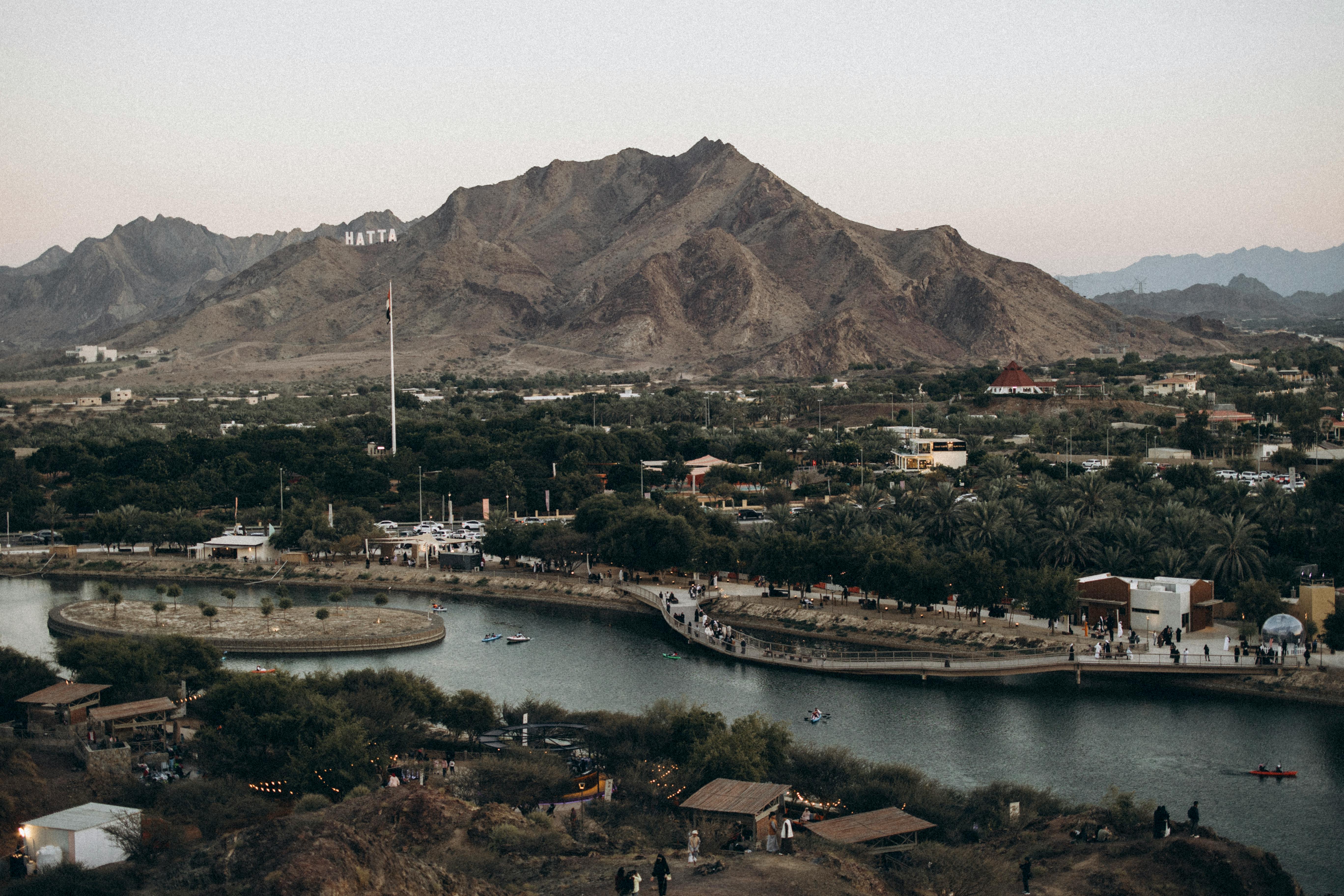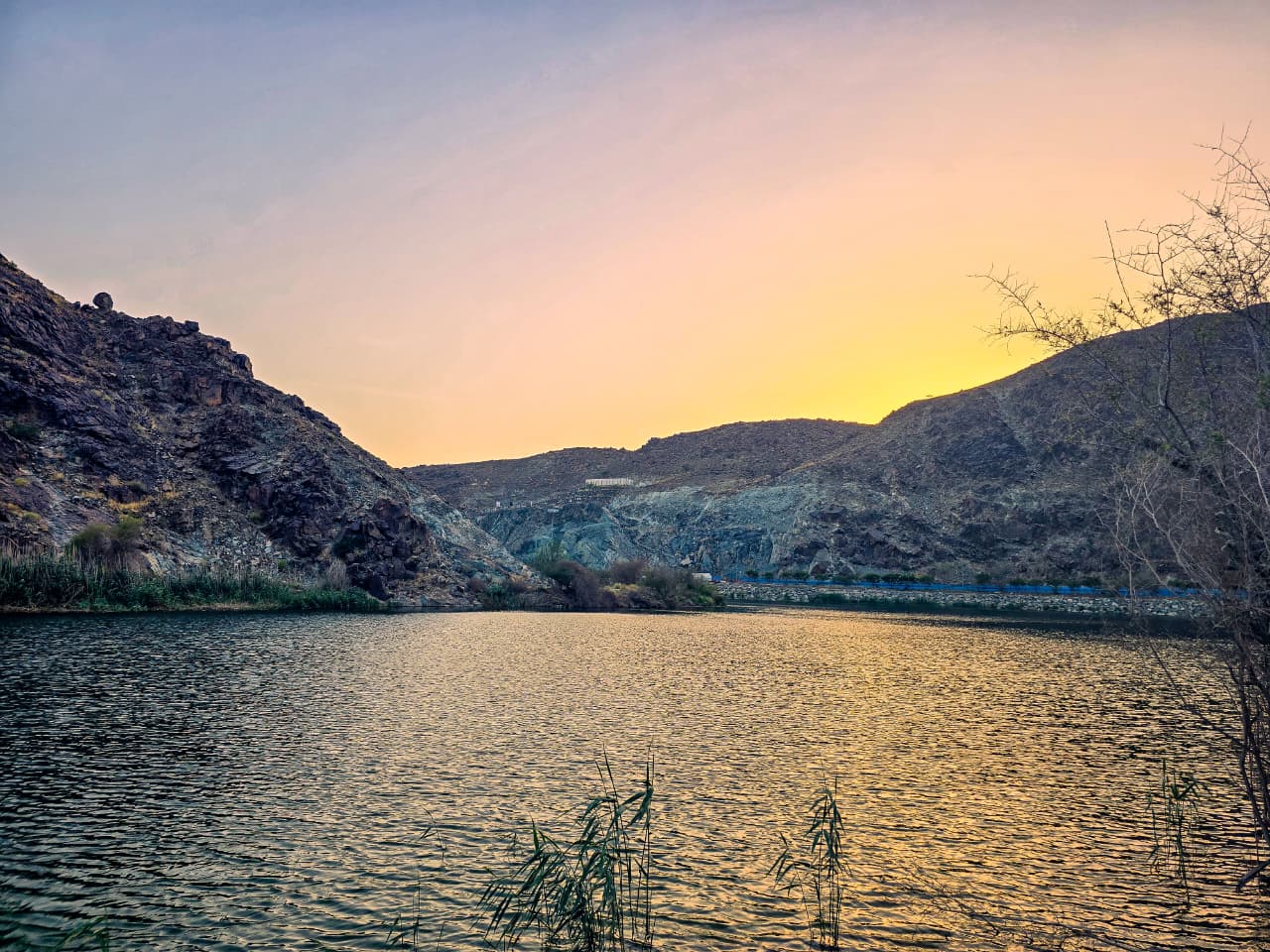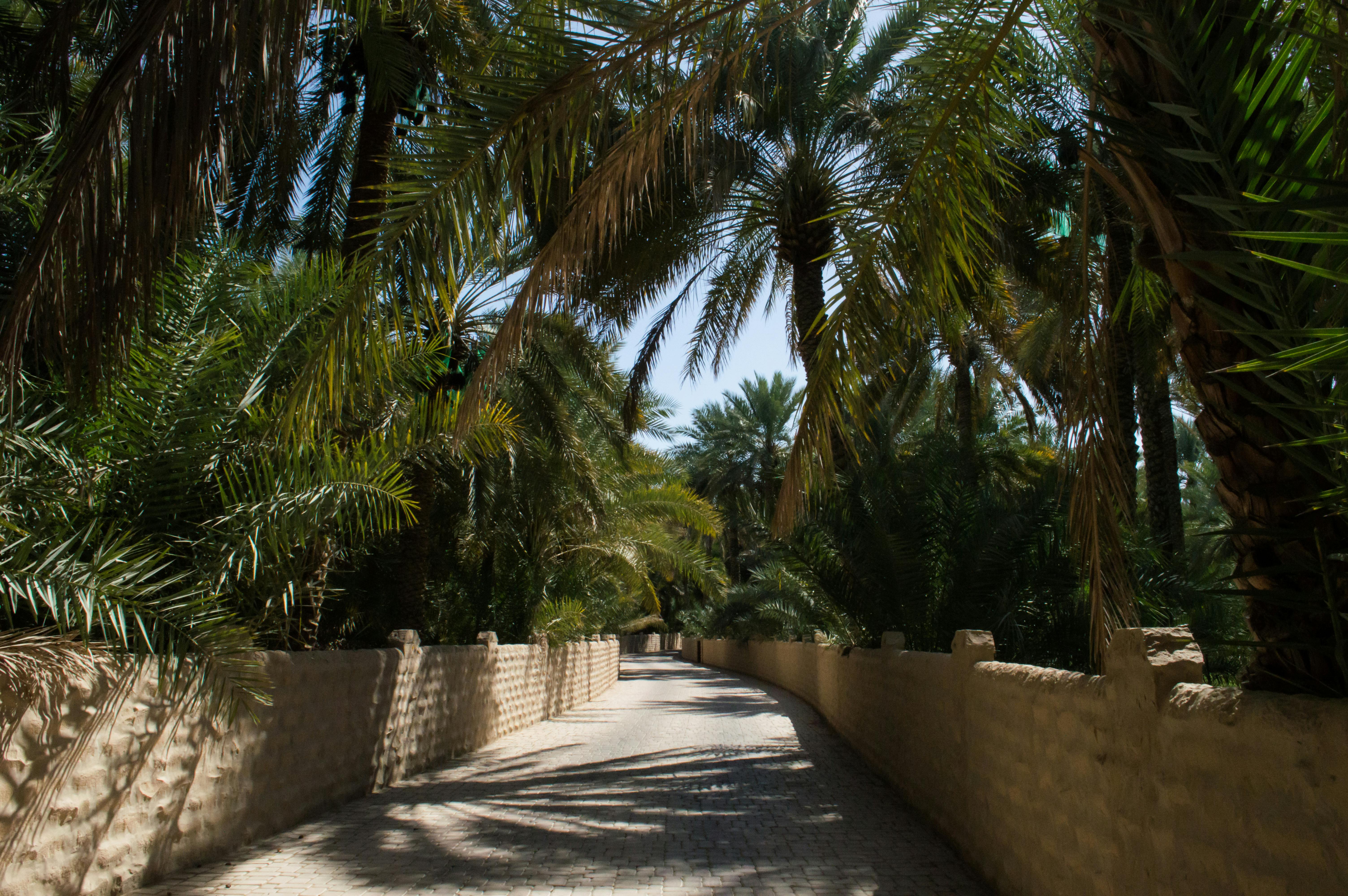
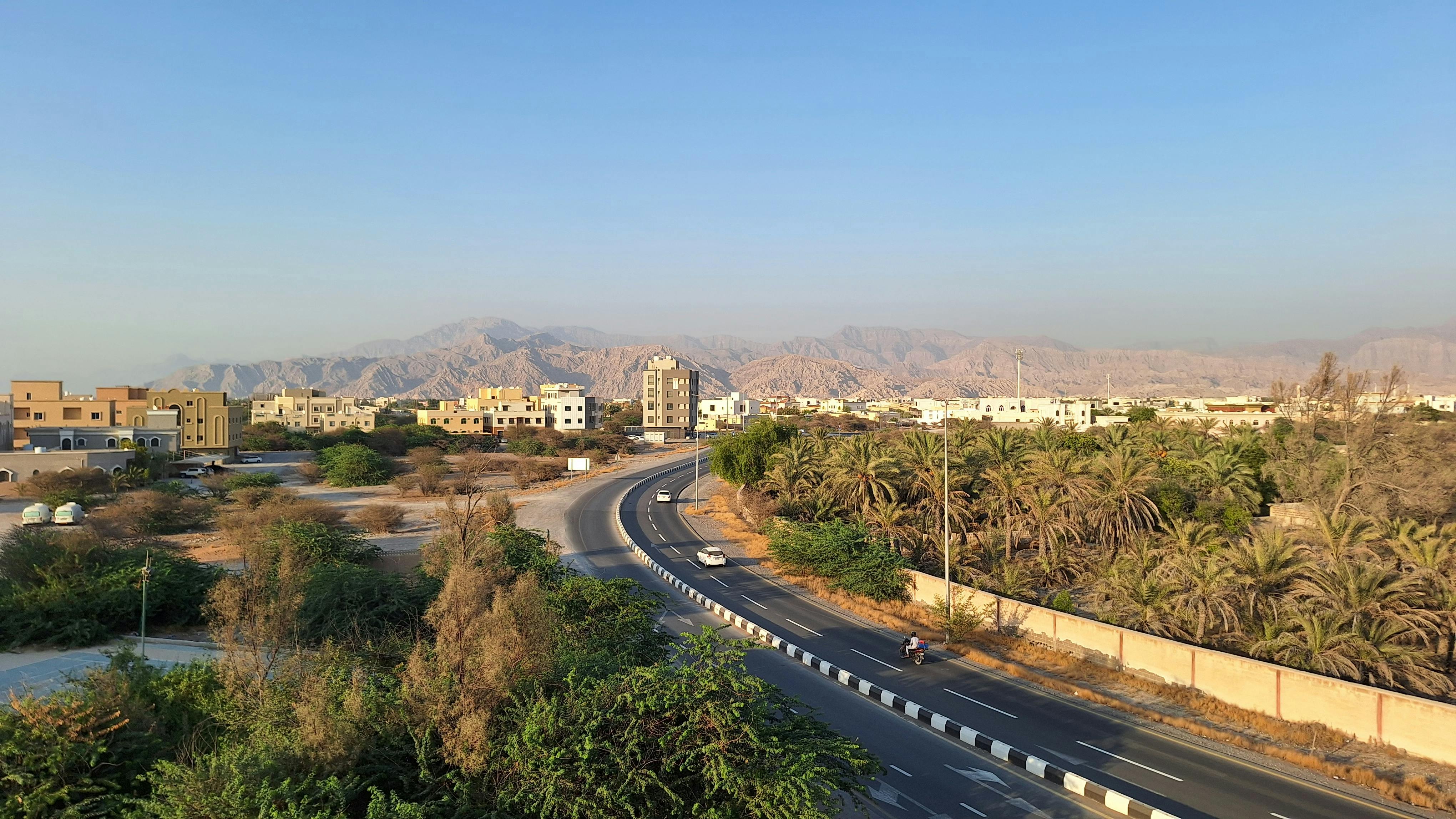
I split my time between Dubai and RAK, which means I spend a reasonable portion of my life on the E311 with a coffee in the cupholder watching the skyline shrink in the rearview mirror. After a while you stop noticing the drive. What I do still notice, every single time, is how quickly the pace changes once you get north of Sharjah. The road opens up, the buildings thin out, and by the time the Hajar range starts appearing on the horizon you already feel further from the city than the distance suggests.
Most Dubai residents have RAK on their list and keep not going. I understand it, there's always something closer and easier on any given weekend. But if you've been putting it off, this is the guide to finally doing it properly.
Getting There
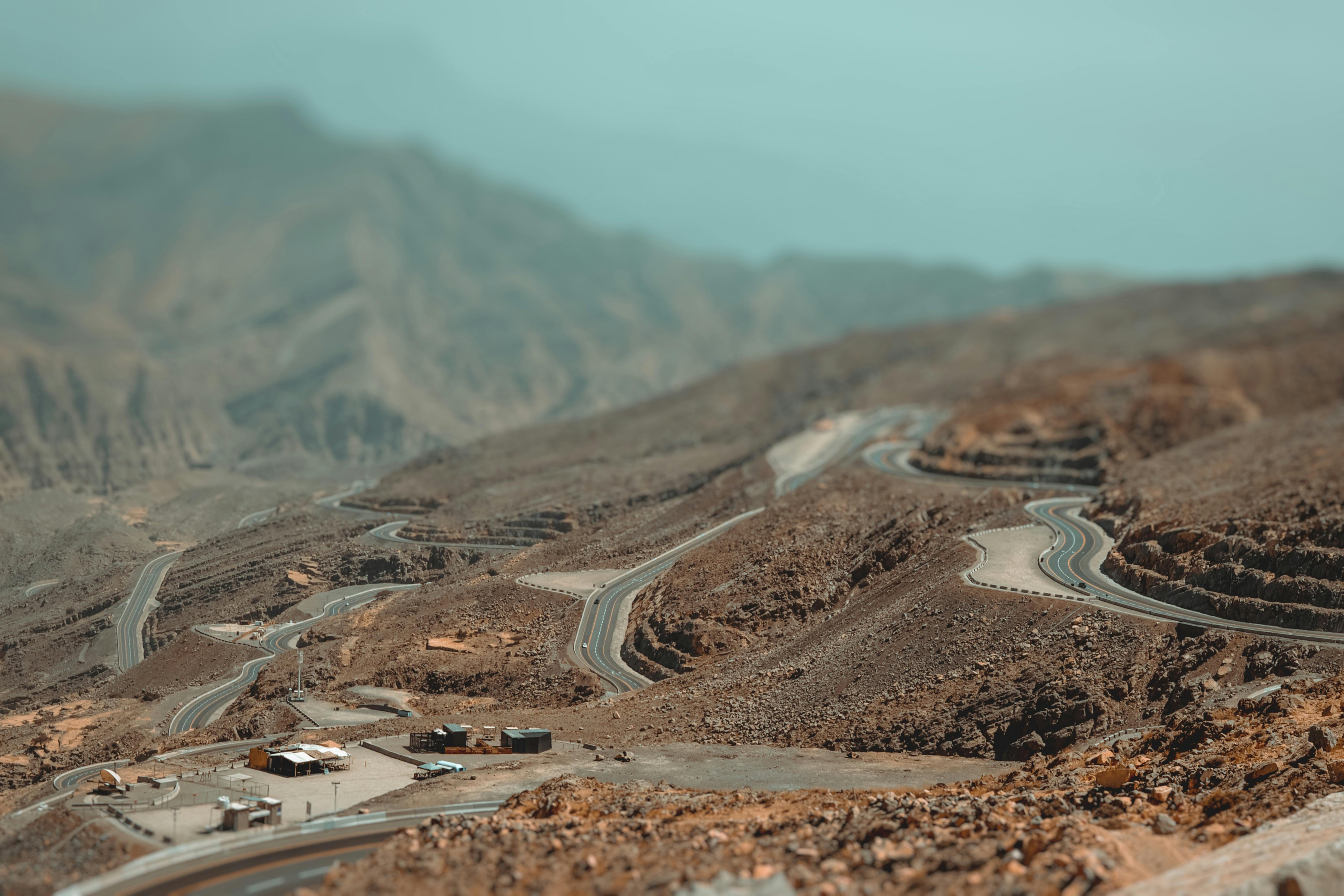
Take the E311 north from Dubai. The road is straightforward, well-signposted, and has no tolls once you're past Dubai's boundary, which is a small relief after years of Salik. The drive from central Dubai to RAK city takes about an hour and twenty minutes under normal traffic. Add another twenty to thirty minutes if Jebel Jais is the first stop, the mountain road is 38 kilometres of switchbacks climbing from the coastal plain into the Hajar range, and it's not a road you want to rush.
Fuel for the round trip runs around AED 50 to 60. If you're driving yourself, that's the most important cost to factor in — almost everything else in RAK that's worth doing is free or close to it, with the exception of the zip line. The bus from Baniyas Square or Sabkha Bus Station in Dubai gets you to RAK bus station for around AED 25 one way. It works if you're planning to stay close to the city and use local taxis from there. For Jebel Jais, Dhayah Fort, and Jazirat Al Hamra though, you'll be dependent on Careem the whole day and the costs stack up. A car is the better call if you're covering ground.
Jebel Jais
I've driven the mountain road more times than I can count and I still pull over at the same bend about halfway up where the road curves and you get the first clean view back down to the coastal plain. It never fully stops being impressive. The Hajar range runs along that section of the UAE with a kind of indifference to the fact that there's a skyscraper city an hour south of it, and on a clear morning in winter the light on the rock faces is something else. The summit area sits at 1,934 metres, the highest point in the UAE and the air is noticeably cooler than anything on the coast. In January and February you want a jacket for the viewing platforms. In March it's perfect. The platforms give you a wide, unobstructed view of the ridgelines folding away in every direction, with the Gulf just visible on the clearest days.
The Zip Line
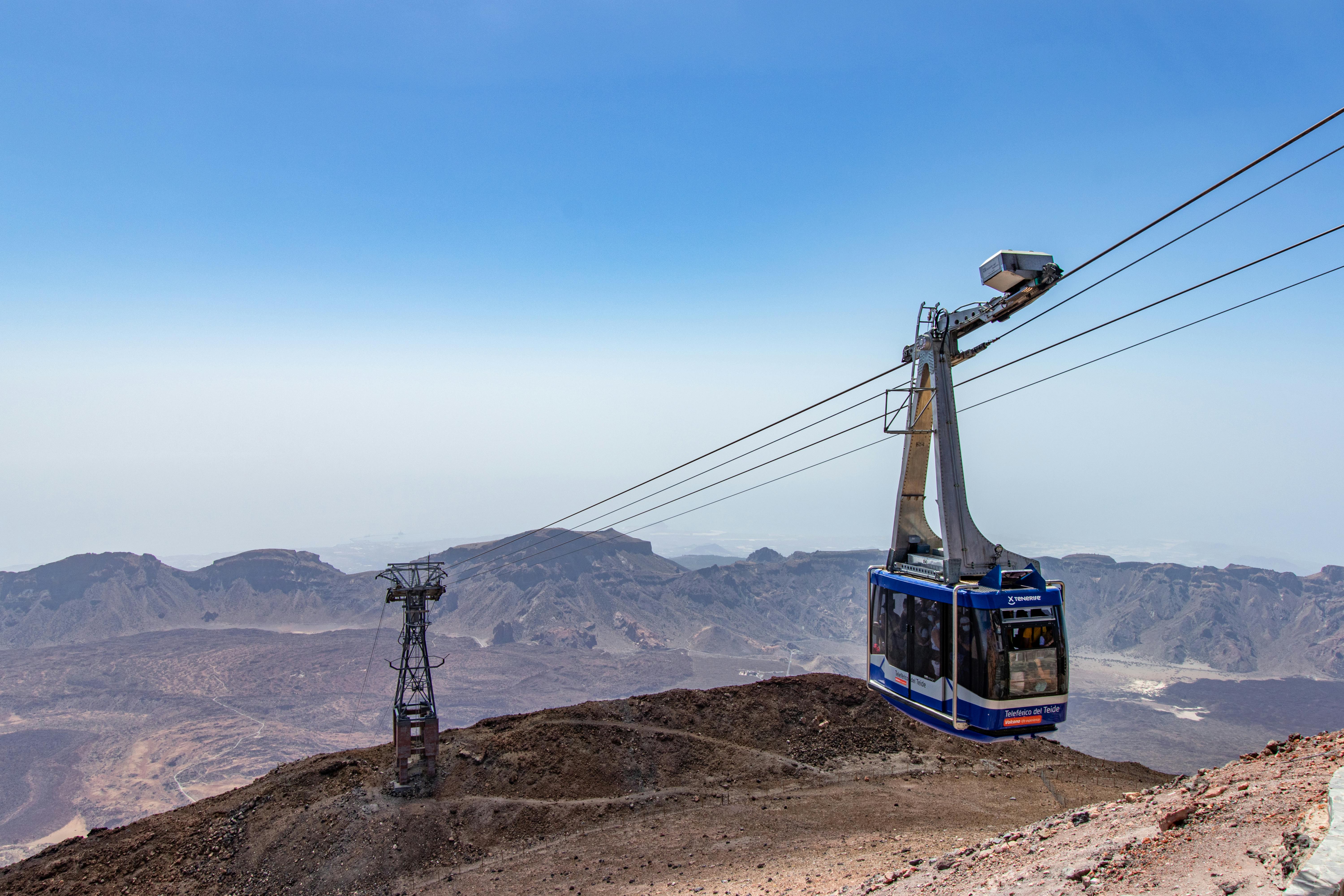
The Jais Flight is 2.83 kilometres long and reaches speeds of up to 160 kilometres per hour. It's no longer the world record holder, a longer line opened in South Africa in 2024, but it's still the longest in the Middle East and at 1,680 metres above sea level the altitude makes the whole thing feel appropriately serious before you've left the platform.
I've done it once. The flight itself takes three to five minutes, which is both extremely fast and strangely long depending on what you're doing with your thoughts at the time. You launch from a platform near the summit and land on a transparent suspended platform partway down the mountain. The shuttle brings you back up afterwards, so you don't have to arrange your own way down.
Booking in advance is non-negotiable, you can't walk up and get on. Book through rakzipline.com. Prices run from around AED 325 to AED 370 depending on the day and season. Winter weekends fill up quickly, sometimes more than a week in advance, so don't leave it until the Thursday before. Arrive fifty minutes before your slot. Closed-toe shoes with grip are required, the staff at the briefing are firm about this. Weight limit is 40 to 120 kilograms and minimum height is 122 centimetres. If the main flight feels like a lot, the Jais Sky Tour is a series of six shorter zip lines spread across five kilometres of mountain terrain, with a sky bridge suspended 300 metres above the ground between a couple of the platforms. It covers more of the mountain and takes longer than the Jais Flight. You can combine both in one visit if you want a full morning on the mountain.
The Jais Sledder is a toboggan run down the mountain face at up to 40 kilometres per hour. Better suited for families or anyone who wants something repeatable without a week's forward planning.
Jazirat Al Hamra
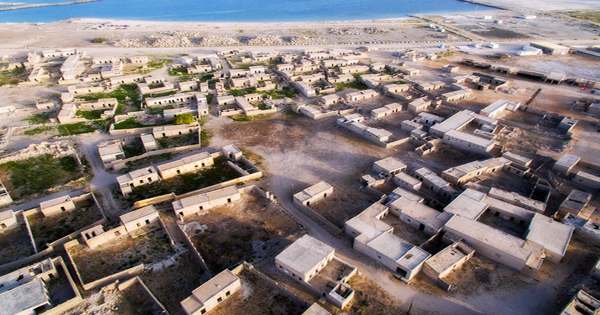
Twelve kilometres south of RAK city, just off the main highway, there's a turn that takes you into what feels like a different century. Jazirat Al Hamra - the Red Island is an abandoned pearl fishing village that was left almost entirely intact when its residents departed in 1968. Most of them left for Abu Dhabi, drawn by the economic transformation oil was bringing to that part of the Gulf. The dry desert air preserved everything they left behind.
What remains is a spread of coral-stone houses, a mosque, wind towers, narrow alleyways, and a fish market that hasn't operated in over fifty years. The walls are still standing. Doorways open onto courtyards where the light comes in at angles that make the place look like it's been paused rather than abandoned. I've brought people here who've lived in the UAE for years and had no idea it existed, and the reaction is always the same, a kind of quiet that settles over you as you walk through it.
It costs nothing, takes about an hour to walk through properly, and has no information boards or guided paths. That's either an annoyance or the point, depending on your approach. Go in the morning before the heat builds. By mid-morning on a weekend a handful of other visitors start appearing and the stillness changes. Get there before that.
Dhayah Fort
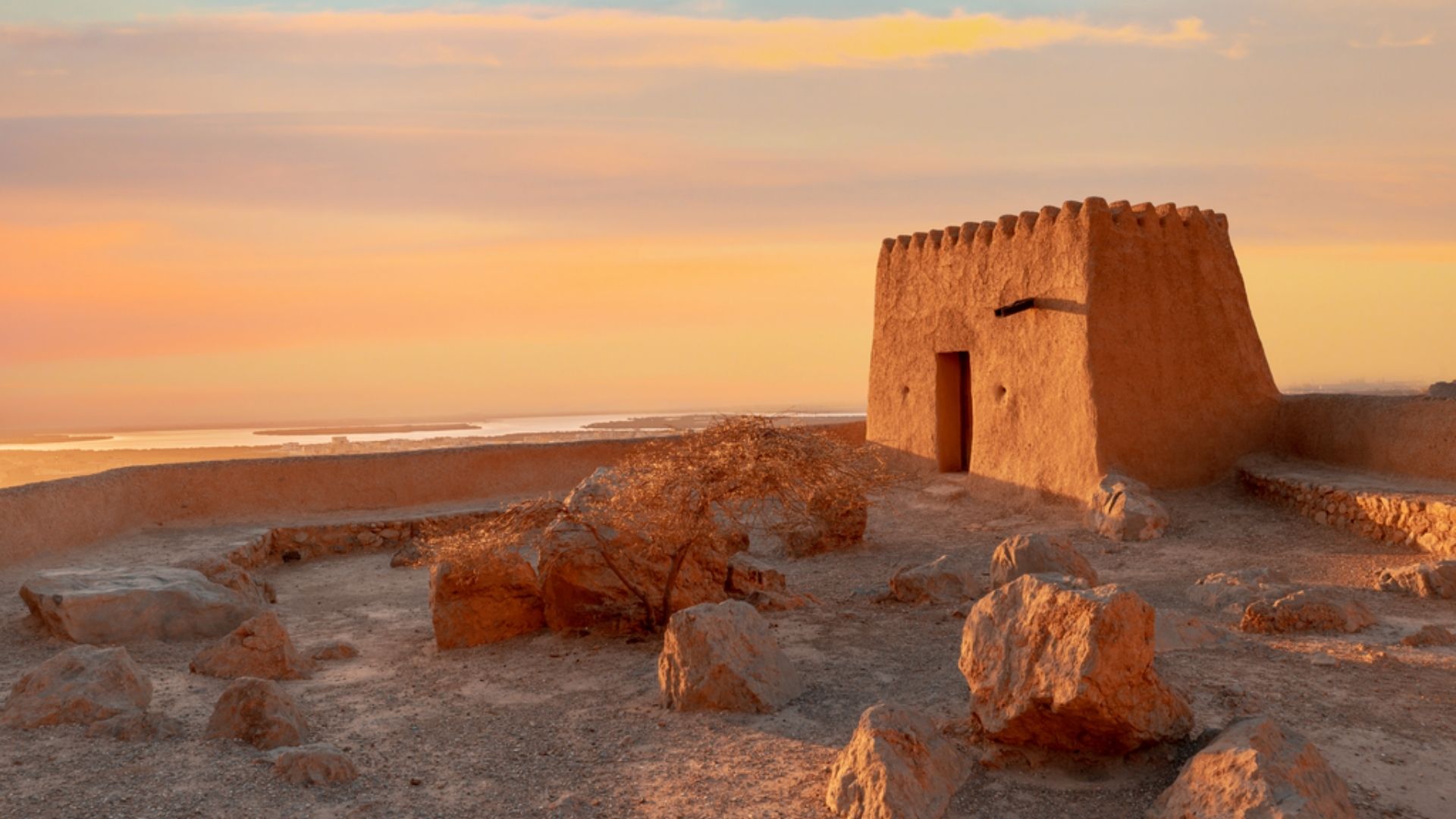
North of RAK city, up into the foothills of the Hajar range, Dhayah Fort sits on a rocky hilltop above the village of the same name. It was built in the early 19th century and was the last fort in the region to hold out against the British forces in 1819, before the peace treaties that would eventually shape the modern UAE were signed.
The climb from the car park at the base is around 200 steps. It's exposed and there's minimal shade, so earlier in the day is better. At the top you get a wide view across the coastal plain, palm gardens, flat land running down to the Gulf, the mountains coming up sharply on the other side. It's one of those views that you don't fully appreciate until you're standing in it.
The fort itself is compact and well maintained. The watchtowers and outer walls are intact. Thirty to forty-five minutes is enough to do it justice, then head back down before the sun gets high.Entry is free.
The Beaches
RAK has around 64 kilometres of coastline and on a winter weekday you can genuinely find a stretch of sand with almost nobody on it. That sounds like an obvious thing to note, but after spending time at JBR or Jumeirah you realise what a different experience it actually is.Flamingo Beach is where I usually end up when I want to be by the water without any effort. It sits between RAK city centre and Al Hamra village, the water is calm and shallow near the shore, there are cafes within walking distance, and you can rent kayaks and paddleboards from the waterfront. The two large flamingo sculptures at the entrance have become something of an unironic landmark. It opens at 6am and closes at 7pm. Free to enter.
Al Hamra Beach is a short drive south and has a quieter, more residential feel. The sand is cleaner and less busy than Flamingo Beach. The public stretch is free. The Waldorf Astoria is nearby if you want watersports facilities with the hotel infrastructure around them, but the public beach on its own is perfectly good.
Al Rams Beach in the far north of the emirate is the one I go to when I want to be properly on my own. It's backed by the Hajar range on one side and the Arabian Gulf on the other, there's an old fishing village adjacent to it, and on a midweek morning you'll often be the only person there. Bring your own supplies. There's nothing set up for visitors and that's entirely the point.
Leave Dubai before 7am. The drive is smooth at that hour and you arrive at Jebel Jais before the mountain haze settles in, which matters for the views. Do the zip line first, the briefing and the activity take about an hour and a half in total including the shuttle back up, then spend time on the viewing platforms before descending.
On the way down, stop at Dhayah Fort. Then across to Jazirat Al Hamra for an hour in the abandoned village while it's still cool enough to enjoy walking around outside. Lunch in RAK city, there are good local restaurants along the waterfront serving mandi and fresh fish. Flamingo Beach for the afternoon. Leave by 4pm to be back in Dubai before the evening builds on the highway.
That structure covers the mountain, the history, and the coast without feeling rushed through any of it.
What It Costs
Fuel from Dubai and back: AED 50 to 60. Jais Flight zip line: AED 325 to 370 booked in advance. Dhayah Fort: free. Jazirat Al Hamra: free. Flamingo Beach: free. Lunch at a local restaurant in RAK: AED 40 to 70. Water and coffee through the day: AED 25 to 35.
Skip the zip line and the day costs under AED 150 per person. Add the zip line and you're at AED 450 to 500. The mountain road alone is worth the fuel regardless of what else you do.
Frequently Asked Questions
How far is Ras Al Khaimah from Dubai? About 100 kilometres from central Dubai to RAK city — an hour and twenty to thirty minutes by car under normal traffic. Jebel Jais is another thirty minutes north from the city on the mountain road.
Do I need to book the Jebel Jais zip line in advance? Yes, walk-up availability isn't offered. Book through rakzipline.com. Winter weekend slots fill up quickly — sometimes more than a week out — so don't plan on booking the day before. Arrive fifty minutes before your booked slot.
Is Ras Al Khaimah worth a day trip from Dubai? Yes. The combination of the Jebel Jais mountain road, a genuine adventure activity, two or three historic sites, and beaches that are far quieter than Dubai's is hard to match within a day's drive. It's the most complete change of scene you can get from Dubai without crossing an international border.
What's the best time of year to visit? October through April. The mountain is at its best in cooler weather, the zip line is more comfortable, and the beach in the afternoon earns its place at the end of the day rather than being something you endure. The Wadi Hub activity centre at Jebel Jais closes from May through September.
Can you visit without a car? Buses run from Dubai to RAK bus station for around AED 25 one way, and Careem covers local distances from there. It works if you're staying close to the city. For Jebel Jais, Dhayah Fort, and Jazirat Al Hamra in a single day, a car makes everything significantly easier.