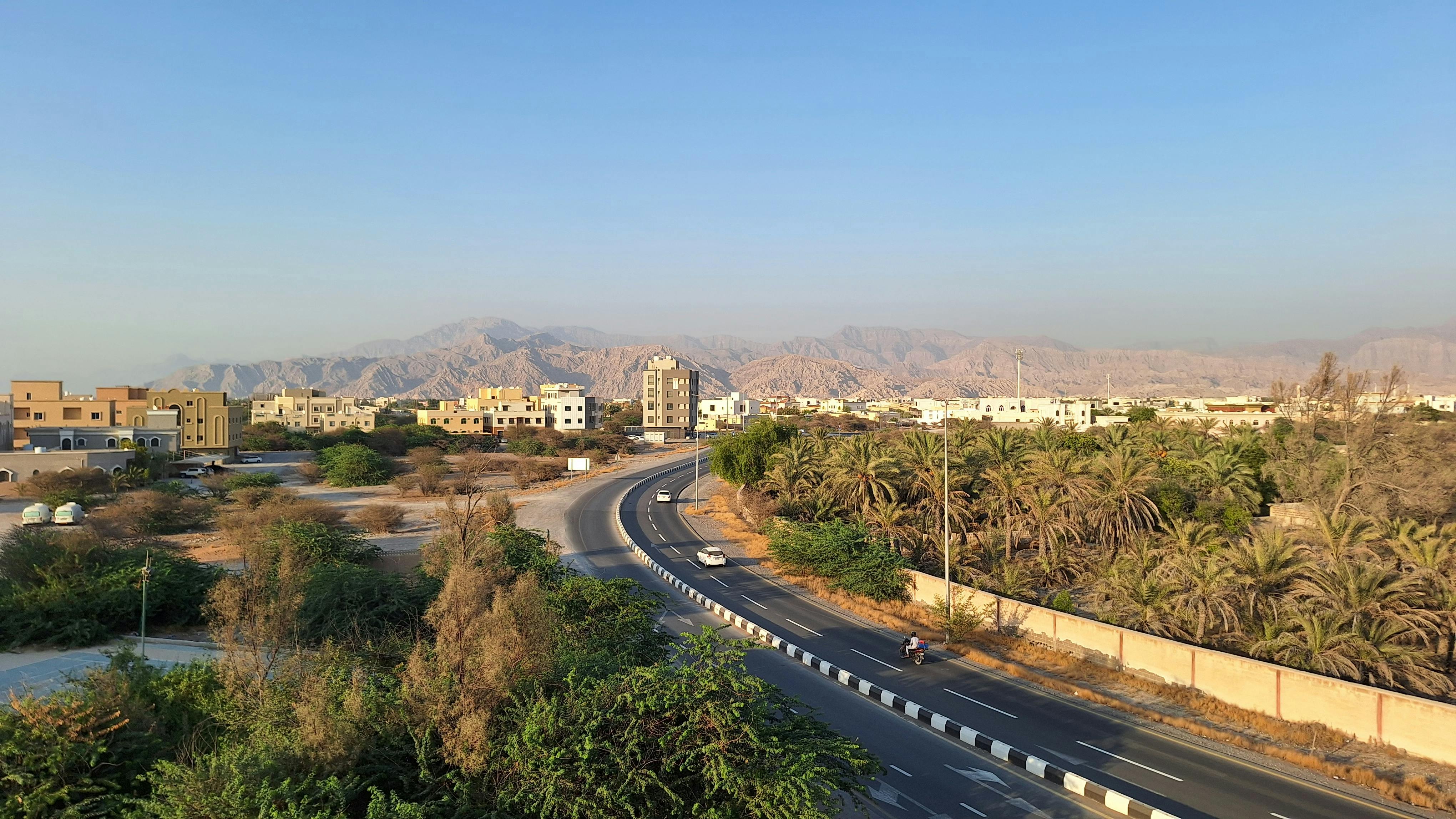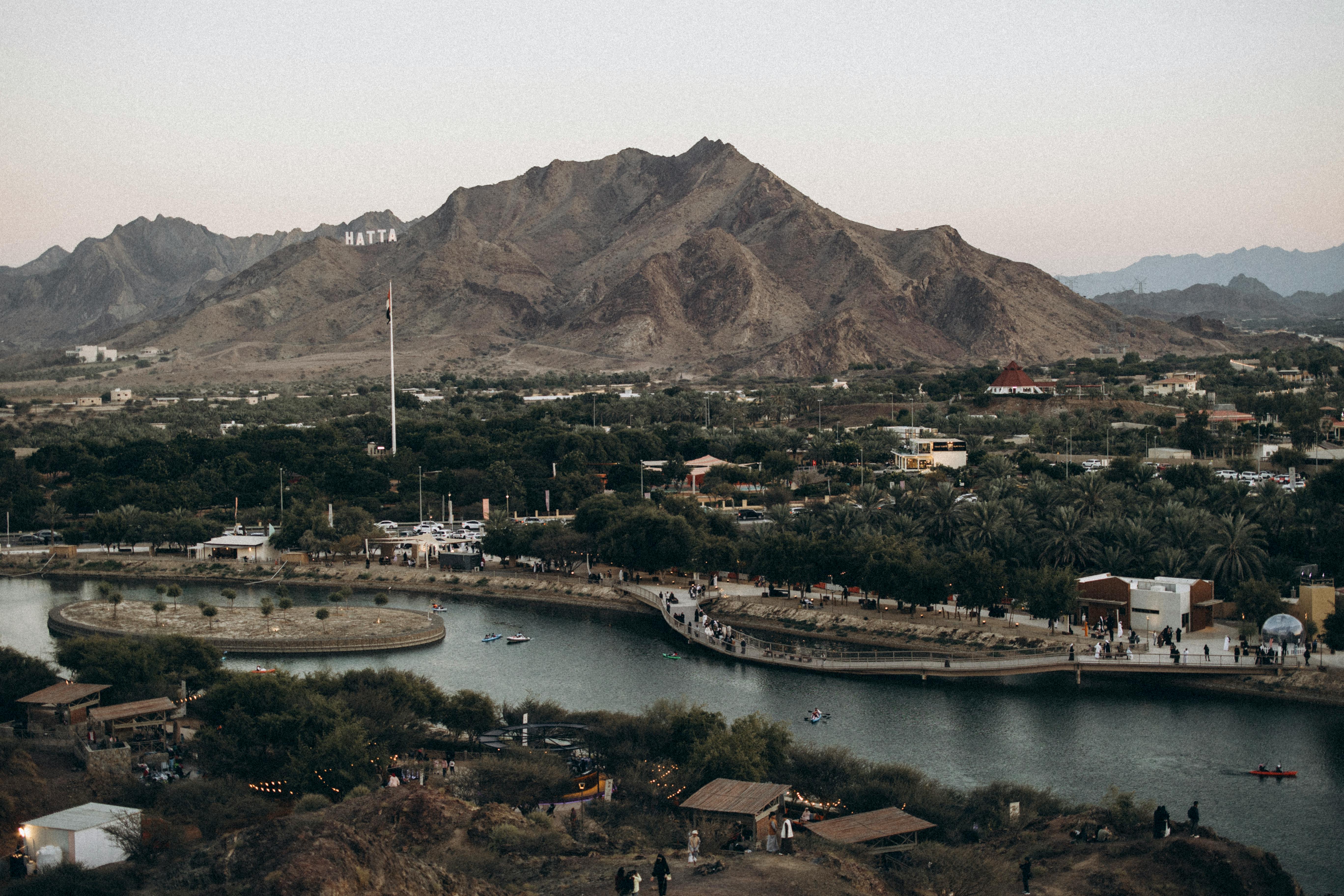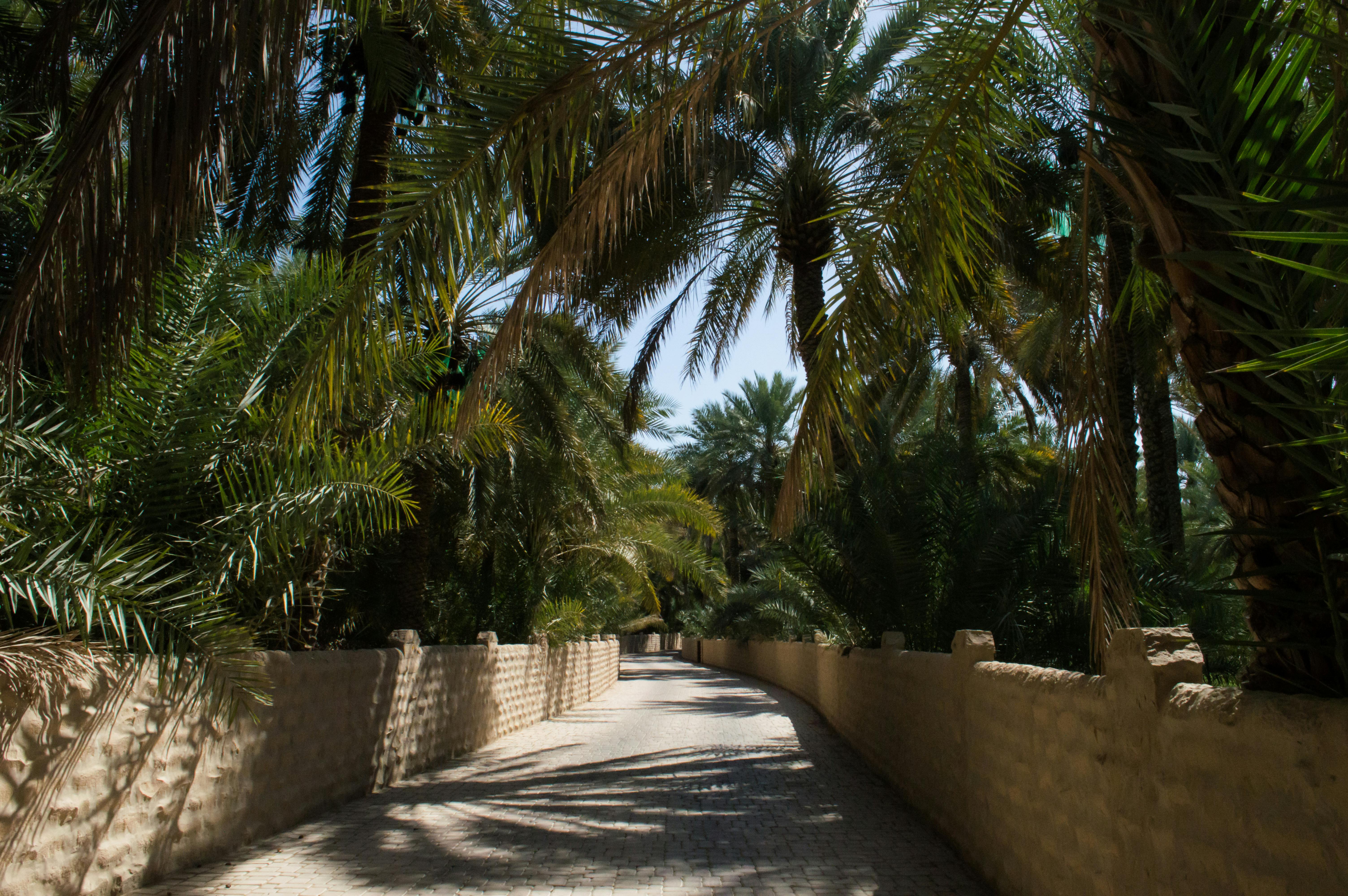
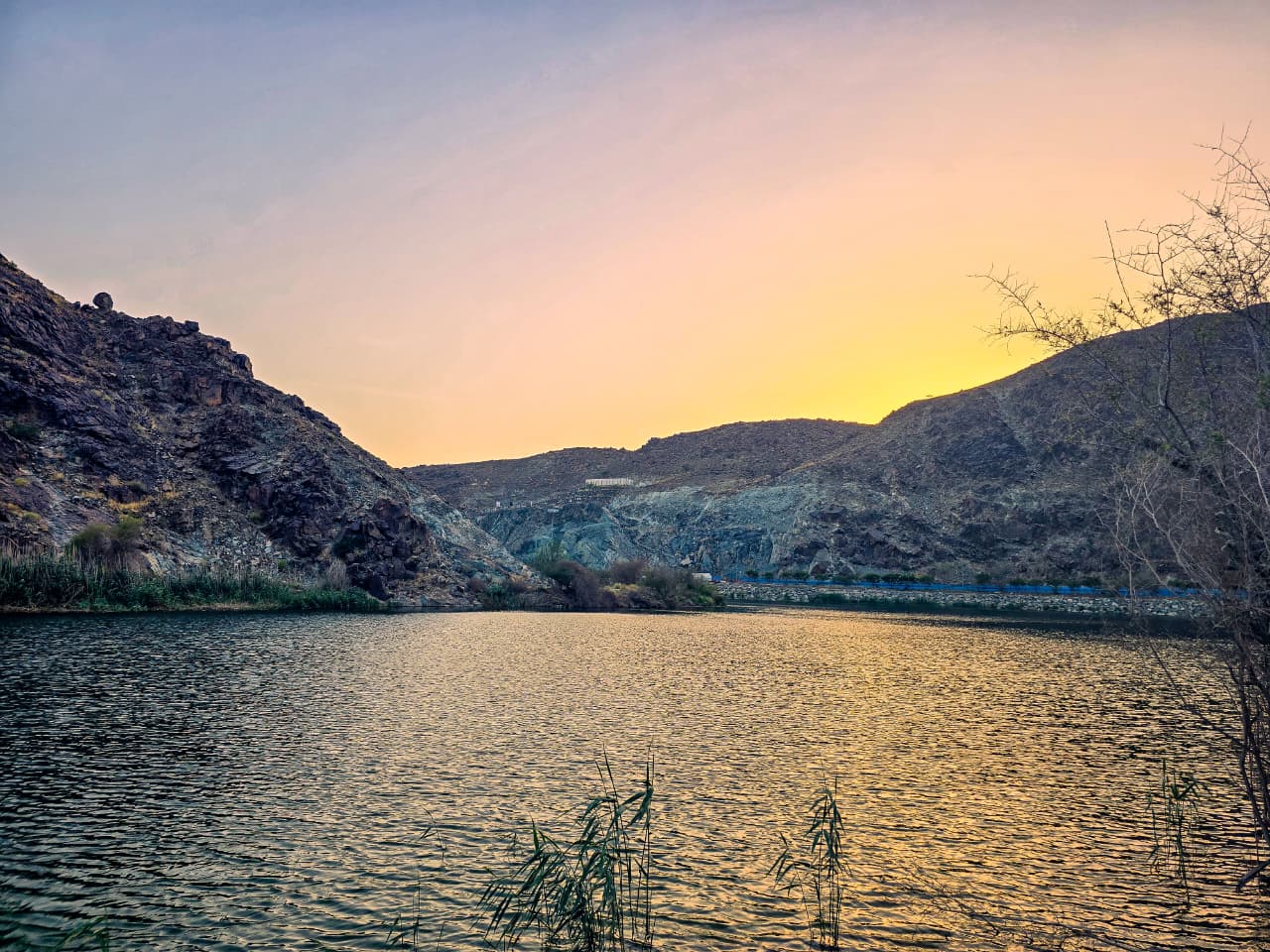
If you've been doing the same Dubai tourist loop (Burj Khalifa, Mall of the Emirates, maybe a desert safari if you're feeling adventurous), it's time to shake things up. Last weekend, I drove north to Wadi Shawka in Ras Al Khaimah, and honestly it's the kind of place that makes you forget you're only 90 minutes from the marina high-rises. Dramatic red rock formations, seasonal water pools, and trails that actually challenge you. Best part? It's completely free, and you won't be fighting crowds.
Here's everything you need to know about visiting Wadi Shawka, including the actual timings and costs from my recent trip.
What Is Wadi Shawka and Why You Should Go
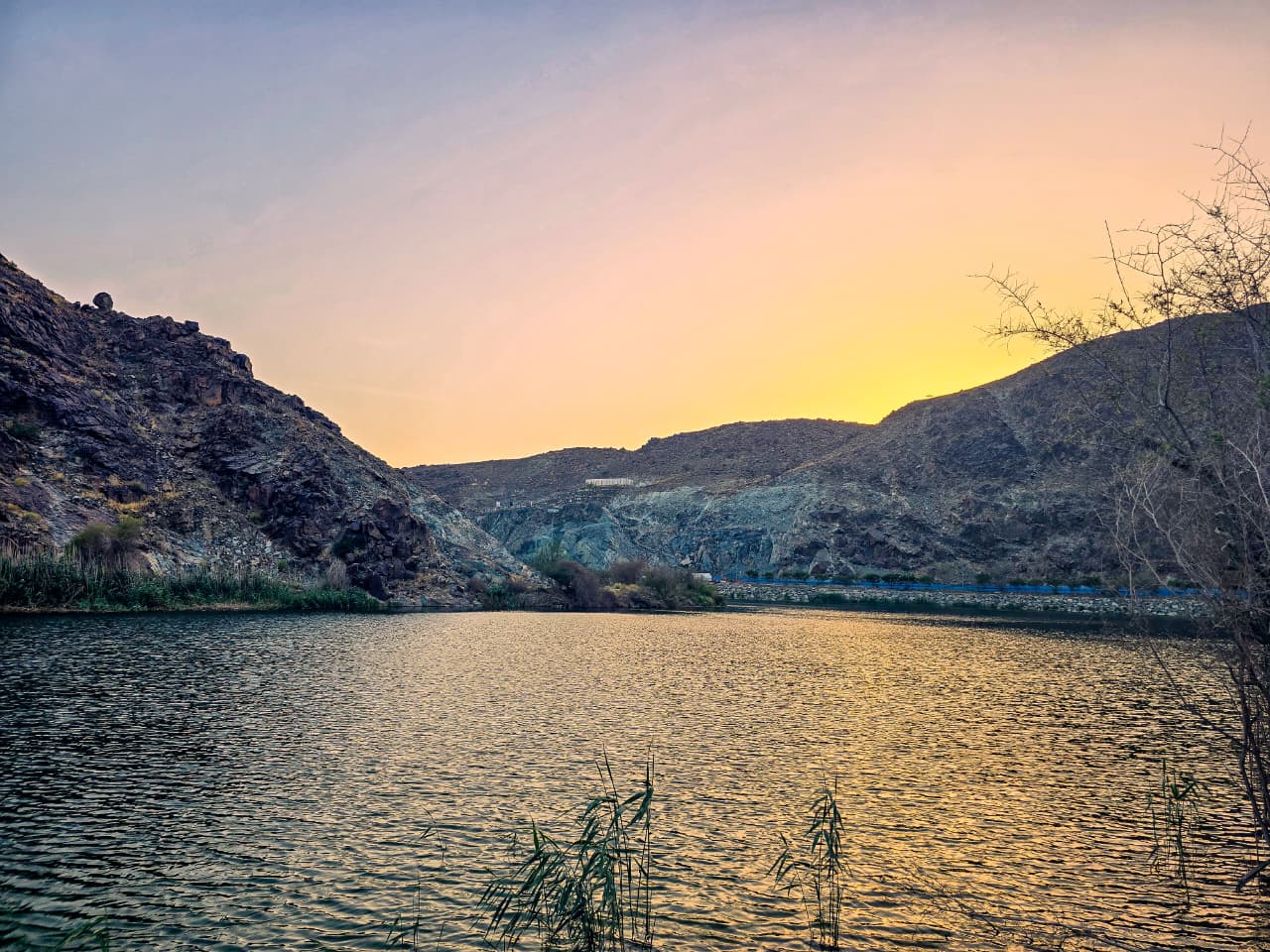
Wadi Shawka translates to 'powerful valley' and sits in the Hajar mountain range in Ras Al Khaimah. Think of it as the UAE's answer to those Instagram-perfect canyon hikes you've seen, except most people haven't heard of it. The wadi is lined with towering red rock faces stained with iron oxide, scattered with age-old ruins of traditional mountain villages, and during winter months you get natural pools of fresh water that are perfect for a quick swim after a hike.
The vibe is completely different from Dubai. There are no vendors, no entrance gates, no "welcome to" signs. You just park, lace up your boots, and go. It's the kind of place where you see actual Hajar rock agamas sunbathing on stones and enough silence to actually hear yourself think.
The area offers diverse flora and fauna, making it an interesting place for nature lovers and photographers alike, with various trails ranging from easy walks to challenging treks, catering to different levels of adventure seekers.
How Far Is Wadi Shawka From Dubai?
Wadi Shawka is approximately 92 km from Dubai and 95 km from Ras Al Khaimah city. From Downtown Dubai, the drive takes roughly 1.5 hours via the E102 highway. Similar to getting to Hatta, but less crowded and more dramatic.
On my trip, I left at 6:30 AM on a Friday morning and hit the Shawka turnoff around 8:00 AM. The earlier you go, the better, the weather stays cool, parking is easy, and you'll have the trails mostly to yourself.

Getting There: Navigation & Parking
The directions are straightforward. Take the Dubai-Sharjah highway (E102) toward Ras Al Khaimah, then watch for the Shawka exit. There's limited signage, but Google Maps handles it perfectly. Just search "Wadi Shawka Ras Al Khaimah" and follow the pin. The final 3 km off the highway is on a paved road, easy for any regular vehicle.
Parking is free and abundant at the base of the wadi. On my Friday morning visit, there were maybe 15 cars there. I imagine weekends get busier, so my advice: arrive by 8 AM if you want solitude, or expect to share the space after 10 AM.
Best Time to Visit Wadi Shawka
Here's the crucial part: timing matters. Plan your visit during the cooler months of November through April. In June, when I'm writing this, it's around 42 degrees Celsius in the shade. Not happening.
I visited in February, and it was perfect. Around 22 degrees in the morning, climbing to maybe 28 degrees by afternoon. The natural pools still had water from winter rains, though they can dry up by March depending on rainfall. Winter is considered the best time to visit, especially for experiencing fresh water pools formed by rainfall.
Skip the summer entirely. Even the locals avoid the wadis June through August. Early morning starts are essential even in the cooler months. I was back at my car by 2 PM, which meant I avoided the afternoon heat while still getting a solid 5 to 6 hour day.
What to Do: Hiking, Exploring & Photo Ops
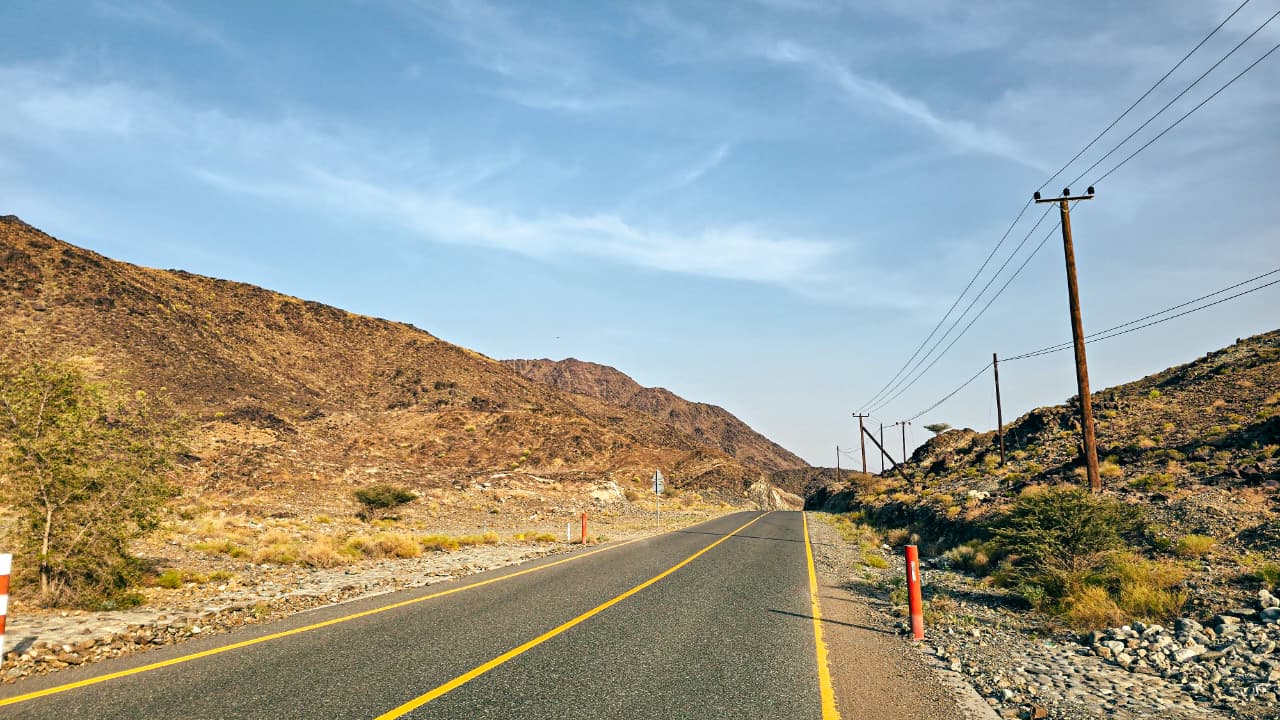
There's no single "Wadi Shawka hike" it's more of an open landscape where you pick your own adventure based on fitness and time.
Easy route (1.5 to 2 hours): Park and walk to the first set of pools and rock formations. Mostly flat, stunning views, doable for families and anyone just wanting to explore without serious elevation gain.
Moderate route (2.5 to 3 hours): Head deeper into the wadi, following the main water channel. You'll pass natural dams, more diverse rock formations, and several photo-worthy spots. Requires a bit of scrambling over rocks but nothing technical.
Challenging route (3.5 to 4 hours): If you're a proper hiker, the trails branch upward into the Hajar range. Various trails range from easy walks to challenging treks, catering to different levels of adventure seekers. These routes offer expansive views of the mountains and require proper footwear and water.
On my visit, I did a hybrid route. Took the moderate trail for about 2.5 hours, reached a gorgeous pool, took a bunch of photos (the light at 10:30 AM is immaculate), then looped back. Total time in the wadi: just over 3 hours.
The rock formations alone are worth the trip. Iron oxide-stained ridges, layered geology that tells millions of years of Earth history, and natural photo frames at every turn.
What to Bring: The Real Essentials
This is where my actual experience differs from generic travel guides. Wadi Shawka is remote.
Essential items: Water (2 to 3 liters per person minimum). I brought 2 liters and that was tight, even for a 3-hour morning hike. Sunscreen (SPF 50+). The rocks reflect heat, and you're exposed. I got burned on my ears despite thinking I was being careful. Proper hiking boots. The terrain is rocky, and there are hidden holes. Trainers work, but boots are safer. I've seen people roll ankles on the loose stones. Hat and sunglasses. Non-negotiable in winter, essential in all seasons. Energy snacks. Protein bars, dates, nuts. There's no cafe.
Optional but good: Camera with a good zoom lens for wildlife spotting. Picnic items if you're planning to stay longer. The area has designated BBQ zones and playground areas for families, so if you're planning an afternoon bbq, pack accordingly.
What not to bring: Flip-flops or casual shoes. Unrealistic expectations about cell service (it's spotty at best). Anything you can't carry back out.
Cost Breakdown of My Wadi Shawka Day Trip
Fuel from Dubai to Shawka and back was around 50 to 70 AED depending on your car. A sedan costs roughly 35 to 50 fils per km, so the round trip came to about that. I grabbed lunch in Ras Al Khaimah on the way back, a local shawarma spot, which was 80 to 120 AED. Snacks for the trail like water bottles, energy bars and dates set me back another 30 to 40 AED. Parking is free. No entrance fee at Wadi Shawka at all.
Total for the day: around 160 to 230 AED per person, which is about 44 to 63 USD. If you're going with friends and sharing a car, the per-person cost drops further. My group of four split fuel costs, so it was about 40 AED per person for transport alone.
The beauty of Wadi Shawka is its simplicity. No resort fees, no tour guide markup, no parking charges. You pay for gas and maybe a bite to eat. That's it.
Best Time of Day: When to Visit
I learned this the hard way on my first trip there. Timing your visit right transforms the experience.
7 AM to 9 AM is best. The weather's cool, golden light hits the rocks perfectly, and minimal crowds. This is when I'd recommend everyone go. 9 AM to noon is also good. It's warm and clear, perfect for detailed photography. The light gets harsh but manageable if you have sunscreen. 12 PM to 3 PM is when to avoid, especially in summer. Heat peaks, shadows disappear, glare makes photos difficult. In winter it's okay, but why not enjoy the morning instead?
Plan to spend 3 to 4 hours max. Arrive early, explore comfortably, and be back in your car by early afternoon.
FAQ: Common Questions About Wadi Shawka
Is there an entrance fee to visit Wadi Shawka? No, there is no entry fee to visit Wadi Shawka, it is a free, public outdoor destination open year-round. Parking is also free.
Can you swim in the Wadi Shawka pools? Yes, but only in winter and early spring when there's water. The pools are natural and seasonal, so if there hasn't been rainfall, they'll be dry or nearly dry. I swam briefly in February, it was freezing but refreshing after a hike.
Is Wadi Shawka suitable for families with kids? Absolutely, if they're confident walkers. The easy route is perfect for families. The Shawka Dam area features recreational infrastructure specifically designed to accommodate visitors, including a dedicated children's recreation area and designated BBQ zones. Avoid summer heat with young kids.
Do I need a guide? No. The trails are intuitive, and most people navigate by following the main wadi channel. If you're going off the beaten path on challenging hikes, a local guide adds value, but the main routes are self-explanatory.
What wildlife might I see? You might spot the East Arabian Desert Agama (locally known as the Hajar Rock Agama), one of the UAE's fascinating endemic reptiles. Also: eagles, mountain goats (occasionally), and various bird species. Bring binoculars if wildlife spotting is your thing.
Is it crowded? Not compared to Hatta Dam or desert safaris. Weekday mornings are quiet; weekends pick up but never feel overrun. The remoteness keeps casual tourists away.
Why You Should Actually Go
Wadi Shawka isn't another Instagram checkpoint or a "must-do" from some listicle. It's genuinely one of the few places in the UAE where you can get lost in nature, see real geological formations, and avoid the tourism machinery entirely.
Is it a replacement for Dubai's iconic attractions? No. But as a weekend escape that costs less than a single dinner in Dubai Marina, takes 90 minutes to reach, and leaves you completely disconnected and refreshed, it's unbeatable. Go in winter, go early, bring water, and go off-script a little. You'll understand why it's worth the drive.