Every person who asks us 'where should I stay in Dubai?' gets the same question back from us: what kind of trip do you actually want? Because in Dubai, your hotel isn't just where you sleep - it sets the entire tone. Stay on the Palm in a mega-resort and you'll barely leave the property. Stay in Al Fahidi by the Creek and you'll be out exploring before breakfast every morning. Neither is wrong. But picking the wrong one for your travel style is one of the most common mistakes we see visitors make
The Allure of the Mega-Resort: Engineering the Ultimate Escape
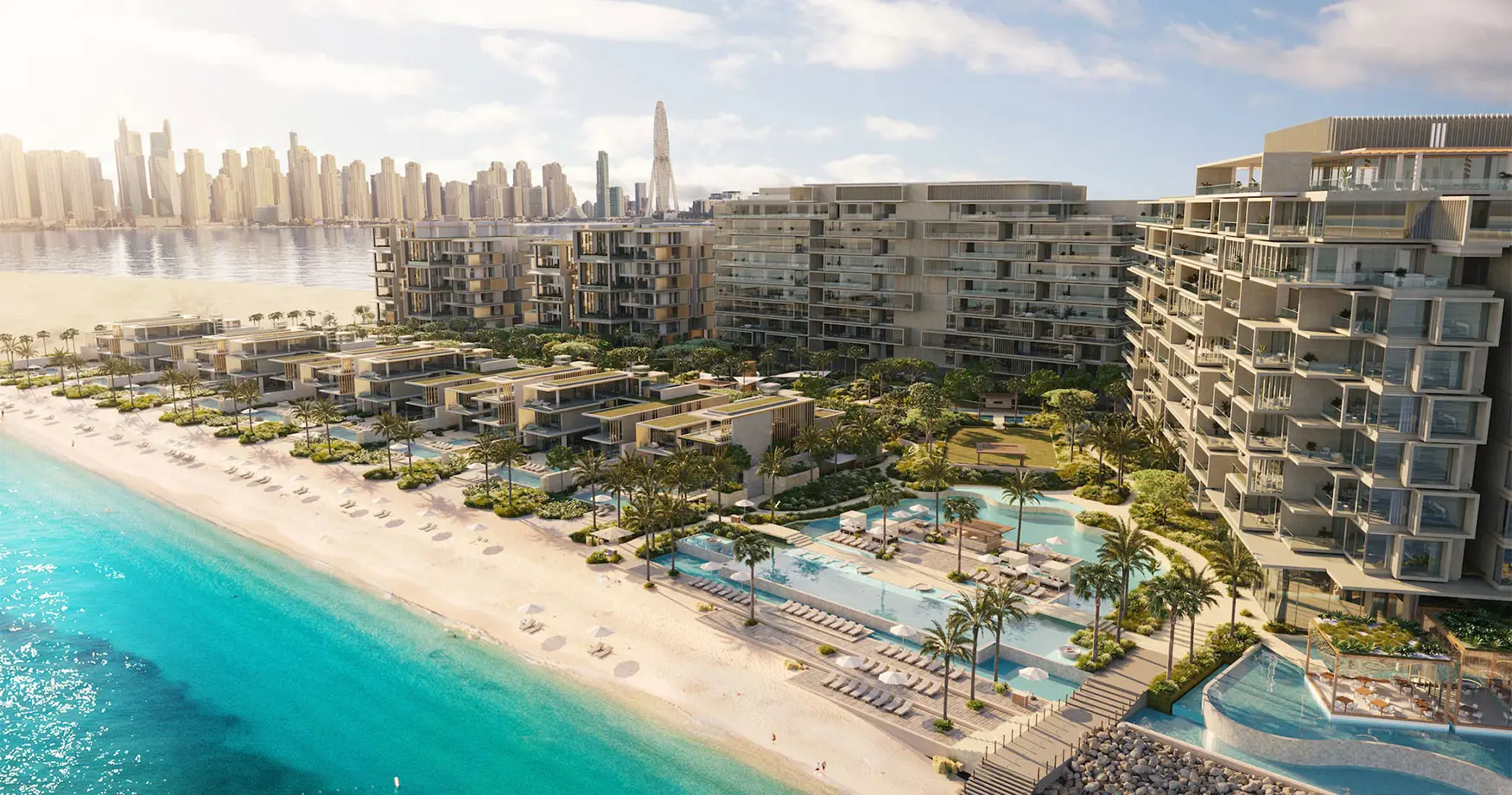
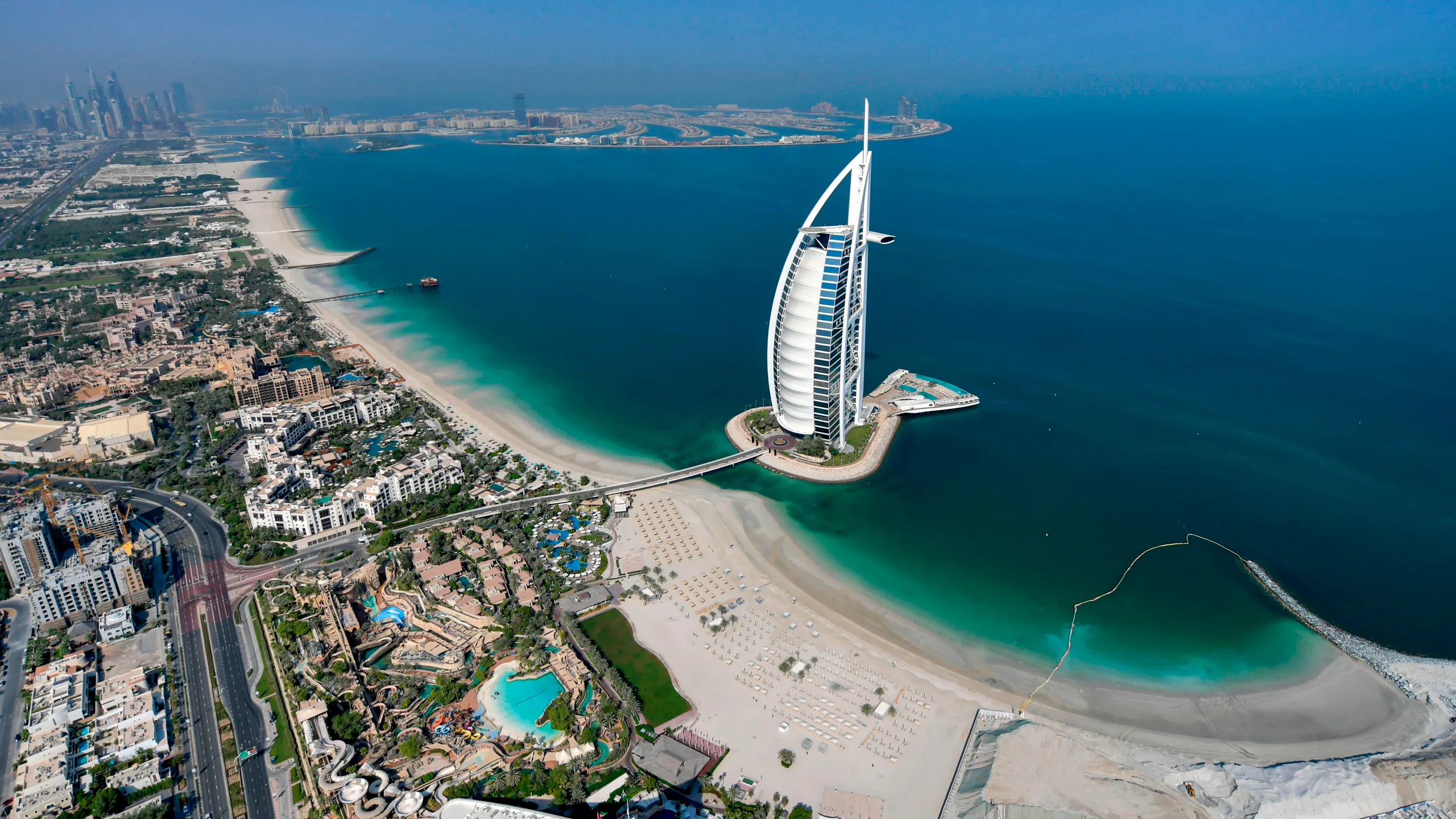
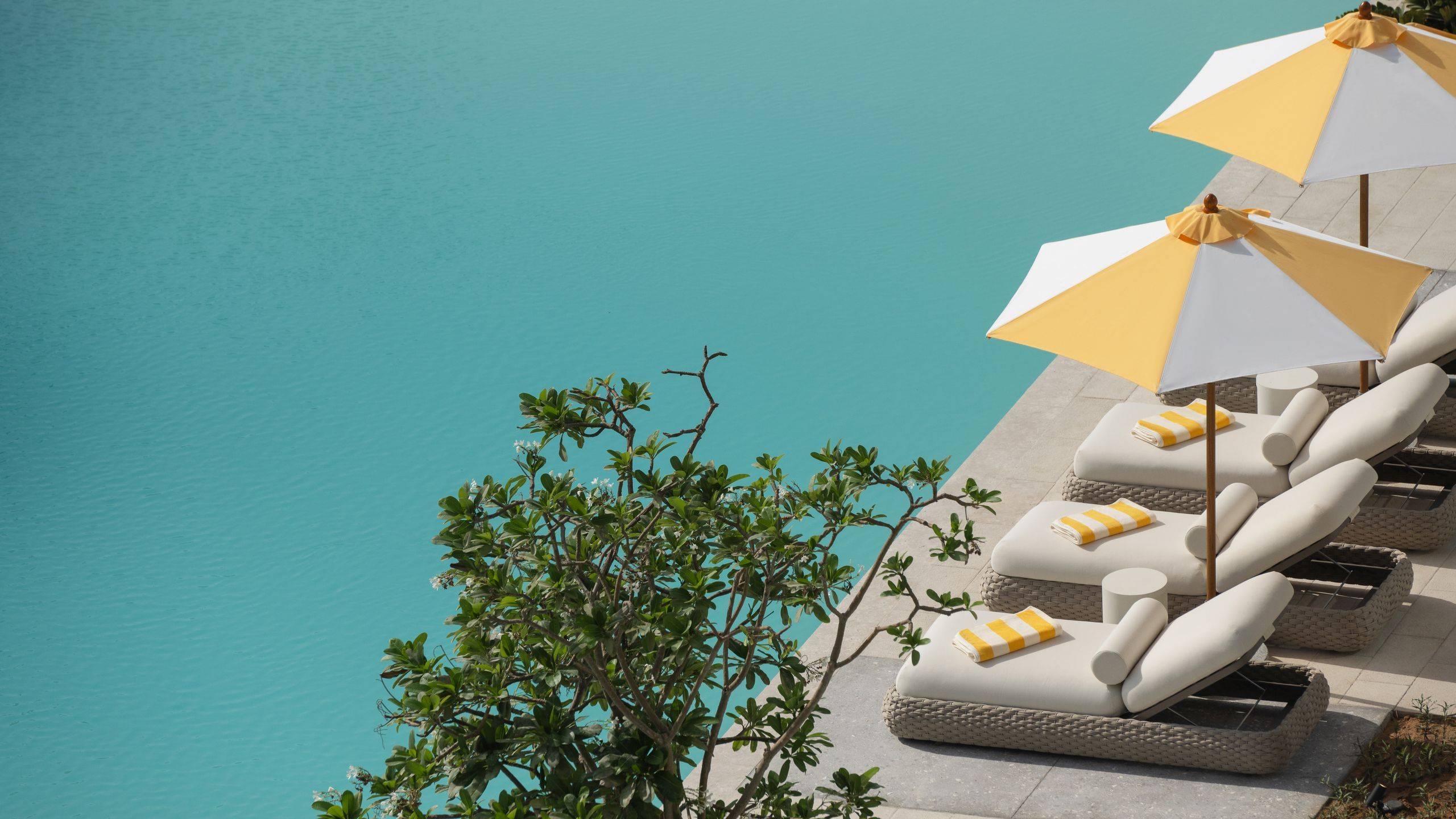
Book a Palm Jumeirah or Jumeirah coastline resort and you essentially don't need to leave the property - and many guests don't. Everything is on-site: the beach, the restaurants, the pool bars, the spa. For some trips, that's exactly the point
Why the Mega-Resort Defines the "Dubai Experience":
Total Convenience: Properties like the Madinat Jumeirah complex offer a network of waterways and abras to transport you between dozens of restaurants and a private souk without ever leaving the resort.
Private Beach Access: In a city where prime coastline is limited, these resorts own the sand, providing exclusive cabana services and pristine shorelines.
Architectural Grandeur: From underwater suites to cantilevered infinity pools 200 meters in the air, the sheer ambition of these buildings is a sight in itself.
World-Class Childcare: For families, the sophisticated kids' clubs and "teen zones" mean parents can enjoy fine dining while children are engaged in educational and high-tech play.
Global Culinary Hubs: Many of these resorts house 10 to 20 different dining concepts, often helmed by celebrity chefs, meaning you could eat at a different "world-class" restaurant every night for two weeks.
The honest downside: you could be in any city. The service is flawless but the soul is international, not Emirati. If you stay in a Palm resort for 5 nights and never cross the Creek, you haven't really been to Dubai. Dedicate full days to the resort - don't use it as a base for running around the city, or you're paying for facilities you're not using."
"We'll be straight with you - if you're visiting Dubai for the first time with family, a mega-resort is probably the right call. The logistics alone make it worth it. But if you've been before and want to actually feel the city, don't spend every night behind resort gates."
The Rise of the Boutique Heritage Stay: A Texture of History
On the opposite end of the spectrum,more and more people is seeking out texture, history, and a genuine sense of place. In areas like Al Seef and the Al Fahidi Historical Neighborhood, hotels are built around history rather than spectacle over marble lobbies and high-speed elevators. The Al Seef Heritage Hotel, for instance, is built using traditional materials like coral, gypsum, and sandstone, integrated into a reconstructed 19th-century merchant district along the Dubai Creek.
One thing we love about staying in Al Fahidi, you can walk to the Textile Souk at 7am before the heat hits and before the tour groups arrive. It's just you, the merchants setting up their stalls, and the smell of incense drifting out of the older shops. You simply don't get that from a Palm Jumeirah hotel.
.
The Unique Charm of a Heritage Boutique Stay:
Authentic Architecture: Instead of glass towers, you stay in low-rise buildings with traditional "Barjeel" wind-towers that naturally cooled homes before electricity.
Intimate Service: With significantly fewer rooms, the staff-to-guest relationship is more personal; you are treated like a guest in an Emirati home rather than a number in a 500-room tower.
Cultural Immersion: You wake up to the sound of the Adhan (the call to prayer) and the smell of frankincense burning in the courtyards.
Logistical Proximity to "Old Dubai": You are steps away from the Spice, Gold, and Textile Souks, allowing for early-morning exploration before the heat and the crowds arrive.
Value for Money: Boutique stays often offer 5-star service and atmosphere at a 4-star price point, allowing you to reallocate your budget toward fine dining or private tours.
This is the stay if you actually want to feel the city. Our honest recommendation for first-timers: do a split stay. Two or three nights in Al Seef or Al Fahidi to ground yourself in the real Dubai, then move to a beach resort or Downtown property for the back half. It's the best of both worlds and it gives your trip a natural narrative arc - old Dubai to new Dubai.
Which neighbourhood is right for you ?
In Dubai, your neighborhood is your personality.
A Deep Dive into Neighborhood Profiles:
Downtown Dubai (The Center of Now): This is for the urbanite who loves the "New York" energy. It is home to the Burj Khalifa and Dubai Mall. The crowd here is a mix of high-end tourists and corporate power players.
Dubai Marina & JBR (The Coastal Metropolis): This is the heart of the expat community. It is the most pedestrian-friendly area, filled with joggers, beach-goers, and alfresco diners. It offers a "Miami" vibe with a Middle Eastern twist.
DIFC (The Intellectual Hub): The Financial Centre is for the art lover and the foodie. It houses the city’s most prestigious galleries and "Global 50 Best" restaurants. The hotels here are sleek, modern, and business-focused.
Jumeirah (The Original Soul): Jumeirah is a low-rise coastal strip that feels more like "Old Money." It is where the most prestigious private villas are located and offers a more laid-back, residential luxury.
Business Bay (The Rising Skyline): A rapidly developing area that offers incredible views of the canal and the Burj Khalifa, often at a better price point than Downtown.
Designing the "Smart" Stay: The Professional’s Checklist
Beyond the aesthetics, the logistics of a Dubai stay require a tactical approach. Because the city is so vast, a poorly located hotel can result in hours of wasted time in Sheikh Zayed Road traffic.
Logistical "Pro-Tips" for Your Booking:
The Metro "Life-Line": If you don't plan on renting a car, staying within a 5-minute walk of a Red Line Metro station is non-negotiable. This is the only way to bypass the 6:00 PM traffic jams.
The "Dry" vs. "Licensed" Distinction: Not all hotels in Dubai are licensed to serve alcohol. While many upscale hotels are, some boutique and "hotel apartment" brands are "dry." Always check this if you value an evening cocktail.
Check for "Club Lounge" Access: In many Dubai hotels, upgrading to a Club Room provides complimentary breakfast, afternoon tea, and "Happy Hour" drinks. Given the high price of alcohol and dining in Dubai, this upgrade often pays for itself.
The "Service Apartment" Hybrid: Brands like Jumeirah Living or Address Residences offer full kitchens and laundry in a luxury hotel setting. This is a game-changer for long-term travelers or families who need more space than a standard room provides.
"This catches people out more than almost anything else. We've seen guests book a beautiful boutique hotel in Deira only to discover on arrival it doesn't serve alcohol. Always check before you book - not after."
Understanding Seasonality and the Pricing Paradox
A room that costs $1,000 in December can go for $150 in July. The heat is real - 45°C is no joke outdoors — but the hotels are completely built for summer. Chilled pools, indoor everything, and the best rates of the year. May and October are the sweet spot: still warm enough to enjoy the beach, prices down 30–40% from peak.
Bottom line : there's no wrong answer here, just wrong fit. A mega-resort rewards those who want to switch off and be taken care of. A boutique heritage stay rewards those who want to actually experience the city. If you're genuinely not sure which camp you're in, drop your travel style in the comments and we'll point you in the right direction - we've stayed in enough of both to give you an honest answer.
Does your dream Dubai stay involve a 50th-floor infinity pool or a quiet courtyard in a heritage house? Let us know in the comments below!