
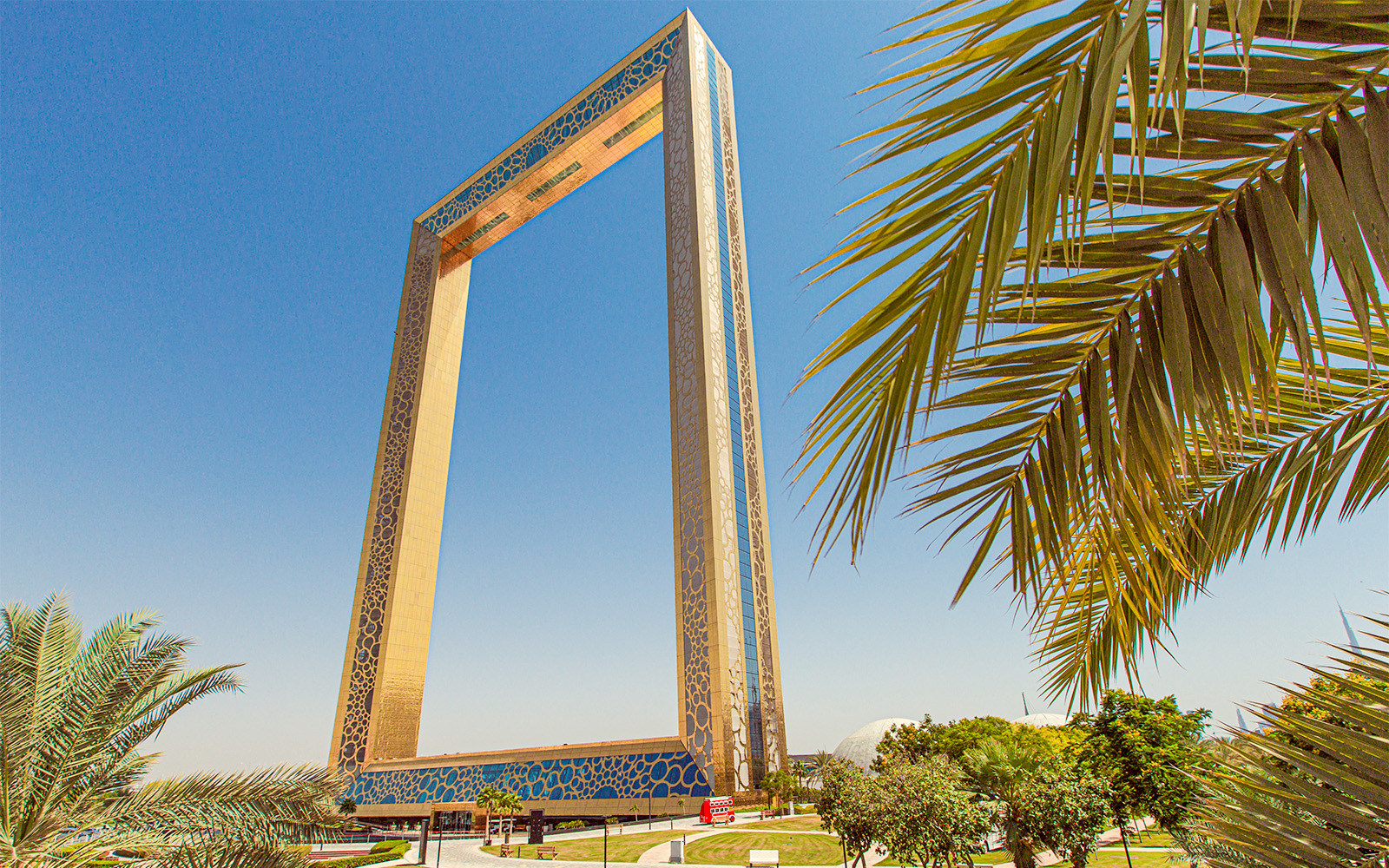
Planning a comprehensive Dubai itinerary in 2026 requires a significant shift in perspective compared to a decade ago. As the city matures into a global hyper-hub, the logistics of visiting have evolved into a sophisticated blend of high-tech digital infrastructure and deeply rooted cultural nuances. This guide moves far beyond the superficial basics of packing lists and dives into the essential travel hacks, sociological insights, and logistical secrets that distinguish a first-time tourist from a seasoned global traveler.
Mastering the Digital Landscape: The Invisible Infrastructure
Dubai is a "smart city" in every sense of the word, and in 2026, your smartphone is your most powerful tool for survival and exploration. The city has moved toward a nearly paperless existence, where everything from public transport to restaurant menus is accessed via high-speed digital interfaces. To navigate this landscape efficiently, you must start with the official digital ecosystem.
Key Digital Tools for Your Arsenal:
The S'hail App: The definitive RTA platform for tracking Metro, Tram, and Bus timings in real-time.
Careem: The local "super-app" preferred over Uber for hailing standard municipal "Hala" taxis.
Digital Wallets: Apple Pay and Google Pay are ubiquitous; you can use them in 99% of outlets, including small neighborhood grocers.
ALHOSN / Visitor Apps: Essential for managing your digital entry permits and any health declarations linked to your passport.
The transportation landscape in Dubai is largely dominated by these local platforms. While international names like Uber are present, the local preference is for homegrown platforms that allow you to hail everything from a standard municipal taxi to a luxury limousine. This digital-first approach extends to administrative requirements as well; many tourist visas and health declarations are now linked directly to your passport and a dedicated visitor app, making the airport arrival process faster than ever before.
The Seasonality Strategy: Navigating the Desert Climate
The most common mistake travelers make when visiting the United Arab Emirates is failing to account for the dramatic and often punishing shift in the desert climate. In Dubai, the time of year you visit dictates exactly what kind of city you will experience. The "Sweet Spot," running from November to March, is peak season for a reason. The weather is reminiscent of a Mediterranean summer—perfect for outdoor dining, beach clubs, and desert safaris.
Choosing Your Travel Window:
Peak Season (Nov – Mar): Perfect outdoor weather, but expect 20-30% higher hotel rates and crowded attractions.
Shoulder Season (Apr – May / Sept – Oct): The best value for money. Hotel rates drop, but the sea is still warm and evenings are pleasant.
Summer Season (June – Aug): Intense heat (40°C+). Your itinerary must be 100% indoors, but luxury hotels offer their lowest annual rates.
The "Ramadan" Factor: Dates change annually. It offers a unique cultural perspective with spectacular "Iftar" feasts, though daytime eating in public is restricted.
Interestingly, summer also brings "Dubai Summer Surprises," a festival of massive discounts and indoor events that can make a luxury trip much more affordable for those willing to stay in the air conditioning.
Cultural Etiquette: Respecting the Social Fabric
Despite its glass-and-steel exterior and Western-style consumerism, Dubai remains a city deeply rooted in Islamic traditions and Emirati heritage. Understanding the social "red lines" is not just about avoiding trouble; it is about showing respect to the hosts of this global city.
Essential Etiquette Guidelines:
The Dress Code: In malls and public areas, keep shoulders and knees covered. Swimwear is strictly for the beach and pool.
Public Displays of Affection: Keep it modest. Holding hands is generally fine, but anything more can lead to awkward confrontations or fines.
Photography: Never take photos of local women or government buildings without explicit permission.
Alcohol Consumption: Alcohol is widely available in licensed hotels and restaurants, but being intoxicated and disorderly in public is a serious offense.
Dubai is a city of layers. Once you cross the threshold of a hotel, a beach club, or a licensed resort, the rules shift significantly. The key is the "cover-up" ritual; always dress before walking through a hotel lobby or exiting to the street.
The Logistics of Movement: High-Tech Rails and Heritage Waters
The Dubai Metro is a marvel of modern engineering-a fully automated, driverless system that glides above the city’s traffic on elevated tracks. To use it effectively, you need to master the tiered ticketing system. Beyond the high-tech rails, the most authentic transportation experience in the city remains the traditional water taxi (Abra).
Transportation Pro-Tips:
The Gold Class Upgrade: Use a Gold Nol Card to access the premium cabin. It’s worth the extra few Dirhams during rush hour for the extra space and the panoramic view from the front window.
The Abra Crossing: Cross the Creek from Bur Dubai to Deira for just 1 Dirham. It is the most scenic and historic 5 minutes you will spend in the city.
The Tram/Metro Link: The Tram serves the Marina and JBR area, connecting seamlessly to the Metro at DMCC and Sobha Realty stations.
Avoid the "Peak Hour" Taxi: Between 5:00 PM and 7:00 PM, taxis are hard to find and traffic is heavy. Use the Metro during these windows.
Connectivity and the "Silent" Call Restriction
In a city that runs on apps, staying connected is non-negotiable. Upon arrival at Dubai International Airport, every tourist is typically gifted a free "Tourist SIM" with a small amount of data. While this is a great gesture, you should immediately top it up or purchase a dedicated local plan.
What to Know About UAE Connectivity:
VOIP Restrictions: Direct calls via WhatsApp, Skype, and FaceTime are usually blocked. You can send messages but cannot make voice/video calls.
Approved Apps: Use BOTIM or Zoom for video calls, as these are generally supported by local providers.
Public Wi-Fi: Malls and airports offer "UAE WiFi by Etisalat," which requires a local mobile number to receive an SMS code for access.
VPN Usage: Be cautious. While many use them, there are strict laws regarding the use of VPNs for illegal activities or bypassing government blocks.
The Psychology of the "Total Bill"
Finally, managing your budget in Dubai requires an understanding of the "Total Bill" psychology. When you look at hotel prices or restaurant menus, the price you see is rarely the price you pay. Understanding these financial nuances ensures that you can enjoy the luxury of Dubai without the anxiety of unexpected costs.
Breaking Down the Fees:
Municipality Fee (7-10%): Standard across most hotel and restaurant bills.
Service Charge (10%): Often added to the bill; check if it's included before adding a separate tip.
VAT (5%): The standard value-added tax on all goods and services.
Tourism Dirham: A flat fee (AED 7-20 per night) based on the hotel's star rating.
Tipping Culture: Not mandatory, but AED 10-20 is standard for valets, bellhops, and delivery riders.
By mastering these digital, cultural, and logistical layers, you aren't just visiting Dubai; you are navigating it with the confidence of a resident.
What is the one travel tip you wish you knew before your first trip? Share your experiences in the comments below!

