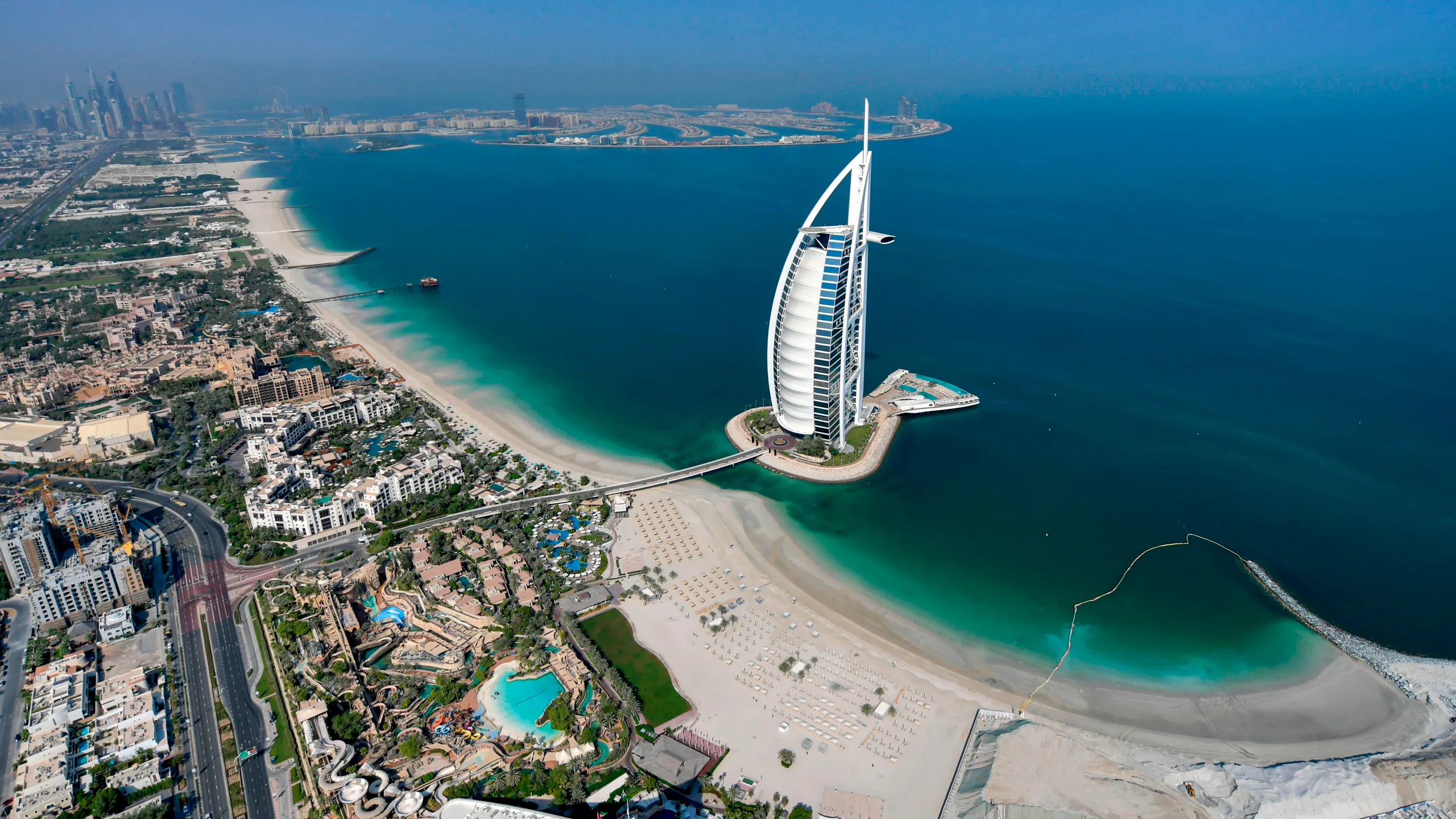
In the global landscape of hospitality, Dubai is not merely a destination; it is a pioneer that has redefined the very concept of "The Grand Hotel." This is the city that introduced the world to the Burj Al Arab’s seven-star ambition and the architectural theater of Atlantis The Royal. However, as the city matures and its tourism demographics diversify, a fascinating new trend is emerging that challenges the traditional dominance of the mega-resort: the rise of the boutique, "soulful" stay. For any traveler crafting a definitive Dubai itinerary, the choice between a sprawling city-within-a-city and a tucked-away heritage hotel will dictate the rhythm, social circle, and sensory experience of their entire vacation.
The Allure of the Mega-Resort: Engineering the Ultimate Escape
Mega-resorts in Dubai are essentially self-contained culinary, entertainment, and relaxation ecosystems. When you book a stay at a property on the Palm Jumeirah or along the Jumeirah coastline, you aren't just reserving a room; you are gaining an all-access pass to a private world. These establishments are engineered to ensure that every possible whim—from Michelin-starred dining to high-octane water sports—can be satisfied within a five-minute walk of your elevator. This is the pinnacle of "convenience luxury," designed for those who want to disconnect from the chaos of the world and immerse themselves in a curated, high-service environment.
Why the Mega-Resort Defines the "Dubai Experience":
Total Convenience: Properties like the Madinat Jumeirah complex offer a network of waterways and abras to transport you between dozens of restaurants and a private souk without ever leaving the resort.
Private Beach Access: In a city where prime coastline is limited, these resorts own the sand, providing exclusive cabana services and pristine shorelines.
Architectural Grandeur: From underwater suites to cantilevered infinity pools 200 meters in the air, the sheer ambition of these buildings is a sight in itself.
World-Class Childcare: For families, the sophisticated kids' clubs and "teen zones" mean parents can enjoy fine dining while children are engaged in educational and high-tech play.
Global Culinary Hubs: Many of these resorts house 10 to 20 different dining concepts, often helmed by celebrity chefs, meaning you could eat at a different "world-class" restaurant every night for two weeks.
While the benefits are undeniable, there is a sociological trade-off. These resorts are often international in their soul; they provide a standard of luxury that is recognizable from London to Tokyo. For some, the sheer scale can feel insulating, creating a "gilded cage" effect where the authentic pulse of the city outside remains a distant abstraction. To maximize this stay, travelers should dedicate specific "resort days" to their itinerary, fully utilizing the amenities they are paying for, rather than using these expensive properties merely as a base for outside exploration.
The Rise of the Boutique Heritage Stay: A Texture of History
On the opposite end of the spectrum, a new generation of "conscious travelers" is seeking out texture, history, and a genuine sense of place. In areas like Al Seef and the Al Fahidi Historical Neighborhood, hotels are prioritizing storytelling and cultural immersion over marble lobbies and high-speed elevators. The Al Seef Heritage Hotel, for instance, is built using traditional materials like coral, gypsum, and sandstone, integrated into a reconstructed 19th-century merchant district along the Dubai Creek
.
The Unique Charm of a Heritage Boutique Stay:
Authentic Architecture: Instead of glass towers, you stay in low-rise buildings with traditional "Barjeel" wind-towers that naturally cooled homes before electricity.
Intimate Service: With significantly fewer rooms, the staff-to-guest relationship is more personal; you are treated like a guest in an Emirati home rather than a number in a 500-room tower.
Cultural Immersion: You wake up to the sound of the Adhan (the call to prayer) and the smell of frankincense burning in the courtyards.
Logistical Proximity to "Old Dubai": You are steps away from the Spice, Gold, and Textile Souks, allowing for early-morning exploration before the heat and the crowds arrive.
Value for Money: Boutique stays often offer 5-star service and atmosphere at a 4-star price point, allowing you to reallocate your budget toward fine dining or private tours.
This is the stay for the traveler who wants to feel the "pulse" of the trade port. It encourages you to step outside, take an Abra across the water for 1 Dirham, and engage with the vendors and history of the city. For a truly balanced Dubai experience, many seasoned travelers now opt for a "Split Stay" strategy: three nights in the historic heart of the city followed by three nights of beach-side decadence on the Palm.
Neighborhood Sociology: Choosing Your Backdrop
In Dubai, your neighborhood is your personality. The linear nature of the city means that where you stay dictates who you see and how you spend your evenings.
A Deep Dive into Neighborhood Profiles:
Downtown Dubai (The Center of Now): This is for the urbanite who loves the "New York" energy. It is home to the Burj Khalifa and Dubai Mall. The crowd here is a mix of high-end tourists and corporate power players.
Dubai Marina & JBR (The Coastal Metropolis): This is the heart of the expat community. It is the most pedestrian-friendly area, filled with joggers, beach-goers, and alfresco diners. It offers a "Miami" vibe with a Middle Eastern twist.
DIFC (The Intellectual Hub): The Financial Centre is for the art lover and the foodie. It houses the city’s most prestigious galleries and "Global 50 Best" restaurants. The hotels here are sleek, modern, and business-focused.
Jumeirah (The Original Soul): Jumeirah is a low-rise coastal strip that feels more like "Old Money." It is where the most prestigious private villas are located and offers a more laid-back, residential luxury.
Business Bay (The Rising Skyline): A rapidly developing area that offers incredible views of the canal and the Burj Khalifa, often at a better price point than Downtown.
Designing the "Smart" Stay: The Professional’s Checklist
Beyond the aesthetics, the logistics of a Dubai stay require a tactical approach. Because the city is so vast, a poorly located hotel can result in hours of wasted time in Sheikh Zayed Road traffic.
Logistical "Pro-Tips" for Your Booking:
The Metro "Life-Line": If you don't plan on renting a car, staying within a 5-minute walk of a Red Line Metro station is non-negotiable. This is the only way to bypass the 6:00 PM traffic jams.
The "Dry" vs. "Licensed" Distinction: Not all hotels in Dubai are licensed to serve alcohol. While many upscale hotels are, some boutique and "hotel apartment" brands are "dry." Always check this if you value an evening cocktail.
Check for "Club Lounge" Access: In many Dubai hotels, upgrading to a Club Room provides complimentary breakfast, afternoon tea, and "Happy Hour" drinks. Given the high price of alcohol and dining in Dubai, this upgrade often pays for itself.
The "Service Apartment" Hybrid: Brands like Jumeirah Living or Address Residences offer full kitchens and laundry in a luxury hotel setting. This is a game-changer for long-term travelers or families who need more space than a standard room provides.
Understanding Seasonality and the Pricing Paradox
The cost of staying in Dubai is perhaps the most volatile in the global market. The "Pricing Paradox" means that a room that costs $1,000 in December might be available for $150 in July. While the summer heat is intense, the hotels are designed to be "summer-proof," with chilled pools and massive indoor cooling systems. For the budget-conscious luxury seeker, the summer months (June-August) offer a way to experience the world’s most famous resorts for a fraction of the cost. However, the "Sweet Spot" for value is the shoulder season of May and October, where you get 80% of the winter weather quality for 60% of the peak price.
Choosing your hotel in Dubai is ultimately an exercise in self-selection. Do you want to look out over the future of the city from a 60th-floor window in a skyscraper, or do you want to look back at its past from a quiet courtyard by the Creek? Do you want a resort that takes care of your every whim, or do you want a boutique stay that encourages you to go out and discover the "real" Dubai? By understanding these different hospitality "souls," you can ensure that your hotel is not just a place to sleep, but a vital, vibrant part of your Dubai story.
Does your dream Dubai stay involve a 50th-floor infinity pool or a quiet courtyard in a heritage house? Let us know in the comments below!