
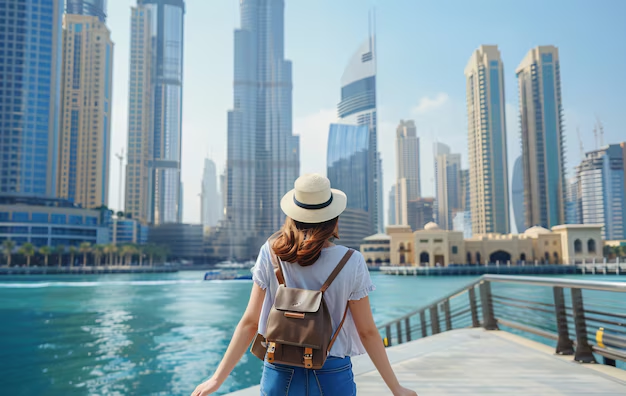
Dubai is a city of dazzling contrasts, where ultra-modern skyscrapers stand beside traditional souks, and a vibrant multicultural population blends global trends with local customs. Navigating what to wear can be one of the trickiest parts of planning your trip. Dressing appropriately is not only a matter of comfort in the desert climate but also a sign of cultural respect.
Fear not! This comprehensive guide will help you build a versatile and stylish wardrobe suitable for every season and occasion in Dubai, ensuring you look and feel your best from the desert dunes to the dance floor.
Understanding Dubai’s Climate and Culture
Dubai’s weather dictates your wardrobe choices more than anything else. The city experiences two main seasons: an extremely hot and humid summer and a remarkably pleasant winter.
Culturally, while Dubai is incredibly cosmopolitan and tolerant, it is still a Muslim emirate. Dressing modestly is appreciated, especially when visiting older districts, government buildings, or religious sites. Think of it as an opportunity to embrace elegant, flowing silhouettes that are both stylish and suitable for the heat.
The Summer Survival Guide (May – September)
Summer in Dubai is no joke. Temperatures regularly soar above 40°C (104°F) with high humidity levels. Your summer strategy should focus on three things: light fabrics, loose fits, and sun protection.
For Women:
The key to staying cool and stylish is choosing breathable natural fabrics. Flowing maxi dresses and skirts made from cotton or linen are ideal. Pair them with loose-fitting blouses or tunics over lightweight trousers or palazzo pants. A large-brimmed hat and high-quality UV-blocking sunglasses are non-negotiable accessories. When visiting a mall or souk, always carry a light scarf or pashmina to cover your shoulders if needed.
For Men:
Men should opt for light-coloured, breathable clothing. Linen or cotton shirts are perfect, paired with chino shorts or trousers. Tailored knee-length shorts are widely acceptable in most casual settings. Polo shirts are also a safe and smart choice. Avoid synthetic materials that don’t allow your skin to breathe.
Swimwear:
Swimwear is perfectly acceptable at hotel pools, private beaches, and beach clubs. However, it is considered disrespectful to wear it in public areas like malls, restaurants, or streets. Always cover up with a kaftan, sundress, or shirt and shorts when leaving the poolside.
The Winter Wardrobe (October – April)
Winter is Dubai’s peak season for a reason. The weather is absolutely perfect, with daytime temperatures hovering around 25-30°C (77-86°F) and cooler evenings. This is when you can truly enjoy layering and more structured outfits.
For Women:
This is your chance to wear jeans, long-sleeved dresses, and jumpsuits. Pack light layers like stylish cardigans, denim jackets, or a light blazer for air-conditioned malls and breezy evenings. A beautiful pashmina is both a fashion statement and a practical layer. You can still wear summer dresses during the day but will appreciate the extra layers after sunset.
For Men:
Winter allows for more variety. You can comfortably wear jeans or trousers with a mix of short-sleeved and long-sleeved shirts. A light sweater or a casual jacket is essential for evening activities like a dhow cruise or desert safari. Closed-toe shoes are a good idea for nicer restaurants and bars.
Dressing for the Occasion: A Situational Guide
1. For the Malls & Souks:
Dubai’s malls are not just shopping centers; they are social hubs and often family-oriented. While there is no strict enforced dress code in most malls, dressing modestly is expected and appreciated. Avoid overly revealing clothing like short shorts, crop tops, or plunging necklines. If you are planning a long day of shopping, comfort is paramount, opt for supportive shoes like fashionable sneakers or flat sandals.
2. For Fine Dining & Luxury Nightlife:
Dubai loves to glam up. High-end restaurants, rooftop bars, and clubs often enforce a smart casual dress code. For men, this typically means closed-toe shoes, tailored trousers, and a collared shirt (often with no shorts allowed in the evening). For women, this is the time for your chic dresses, elegant jumpsuits, or sophisticated separates. Avoid sportswear, flip-flops, and beachwear.
3. For the Beach & Pool:
As mentioned, swimwear is for the beach and pool areas. Many beach clubs and five-star hotels are fashion catwalks in their own right, so feel free to pack your most stylish swimsuits, kaftans, and cover-ups. Remember to bring a change of clothes if you’re heading straight to lunch elsewhere.
4. For Cultural & Religious Sites:
The most important rule for visiting a mosque, like the stunning Jumeirah Mosque, or the Sheikh Mohammed Centre for Cultural Understanding, is modesty.
- Women: You will need to cover your hair, arms, and legs. Most sites provide abayas (long black cloaks) and headscarves for visitors, but you can bring your own long, loose-fitting clothing and a scarf.
- Men: Should wear long trousers and a shirt that covers the shoulders.
The Essential Packing Checklist
- Footwear: Comfortable walking sandals, stylish sneakers, dressy shoes for evenings, flip-flops for the pool.
- Accessories: A wide-brimmed hat, sunglasses, a large scarf or pashmina, a crossbody bag (secure for crowded places).
- Sun Protection: High-SPF sunscreen, a reusable water bottle to stay hydrated, and moisturizer (the air-conditioning can be drying).
Packing for Dubai is all about smart choices that balance comfort, climate, and culture. By leaning towards light layers, breathable fabrics, and modest yet fashionable pieces, you’ll be prepared for anything this dynamic city throws your way. The right wardrobe will let you focus on what really matters: creating unforgettable memories in the City of Gold.
Do you have a favorite outfit for Dubai? Or a question about what to pack for a specific activity? Share your thoughts with us..