Ramadan in the United Arab Emirates is more than just a month of fasting; it is a profound period of spiritual reflection, communal bonding, and a vibrant showcase of Emirati heritage. As the crescent moon ascends, the hustle of cities like Dubai and Abu Dhabi shifts into a rhythmic, soulful pace that honors centuries-old customs.
Whether you are a resident or a visitor, understanding the cultural traditions of Ramadan in the UAE offers a window into the heart of the nation. From the thunderous roar of the Midfa Al Iftar to the late-night gatherings in majlises, here is a comprehensive guide to the ten most significant traditions that define the Holy Month in the Emirates.
1. Moon Sighting (Ruyat-e-Hilal)
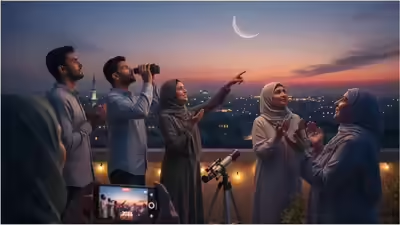
The journey begins with the search for the new crescent moon. In the UAE, the Moon Sighting Committee, a group of astronomers, judicial officials, and religious scholars gathers to confirm the start of the month.
While modern technology and astronomical calculations are used, the tradition of physical sighting remains a symbolic bridge to the past. Once the moon is sighted, the UAE leadership officially announces the start of Ramadan, triggering a nationwide wave of "Ramadan Kareem" greetings.
2. The Midfa Al Iftar (The Ramadan Cannon)
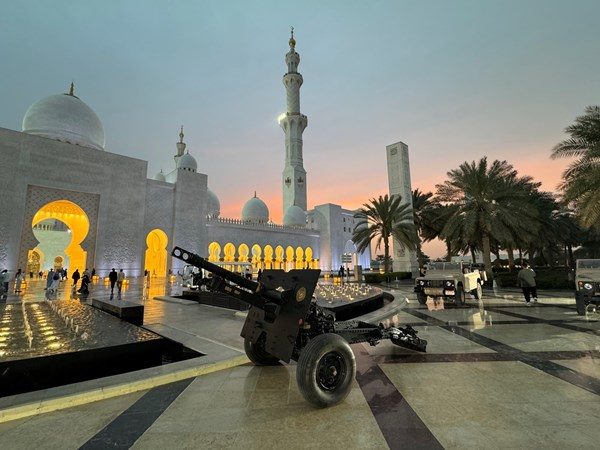
Perhaps the most iconic sound of the month is the boom of the Ramadan Cannon. This tradition dates back to an era before digital clocks and smartphones, when a cannon fire was the only way to signal to the entire city that it was time to break the fast.
Today, the UAE police maintain this tradition at various locations, including the Burj Khalifa, Sheikh Zayed Grand Mosque, and Sharjah’s Al Majaz Waterfront. Crowds often gather to watch the ceremonial firing, which remains a beloved spectacle for children and adults alike.
3. Haq Al Laila: The Prelude to Ramadan
Technically occurring on the 15th of Sha’ban (the month preceding Ramadan), Haq Al Laila is a uniquely Emirati tradition that sets the stage for the Holy Month. Children dress in vibrant traditional clothes and carry colorful woven bags through their neighborhoods.
They knock on doors singing "Aatona Allah Yateekum, Bayt Al Makkah Yiwadeekum" (Give to us and God will reward you, and help you visit the House of Allah in Mecca). Neighbors distribute sweets and nuts, fostering a sense of community and teaching the younger generation the value of giving.
4. The Suhoor: A Pre-Dawn Blessing
Before the sun rises and the first call to prayer (Fajr) echoes through the minarets, families gather for Suhoor. This pre-dawn meal is vital for sustaining the body throughout the day’s fast.
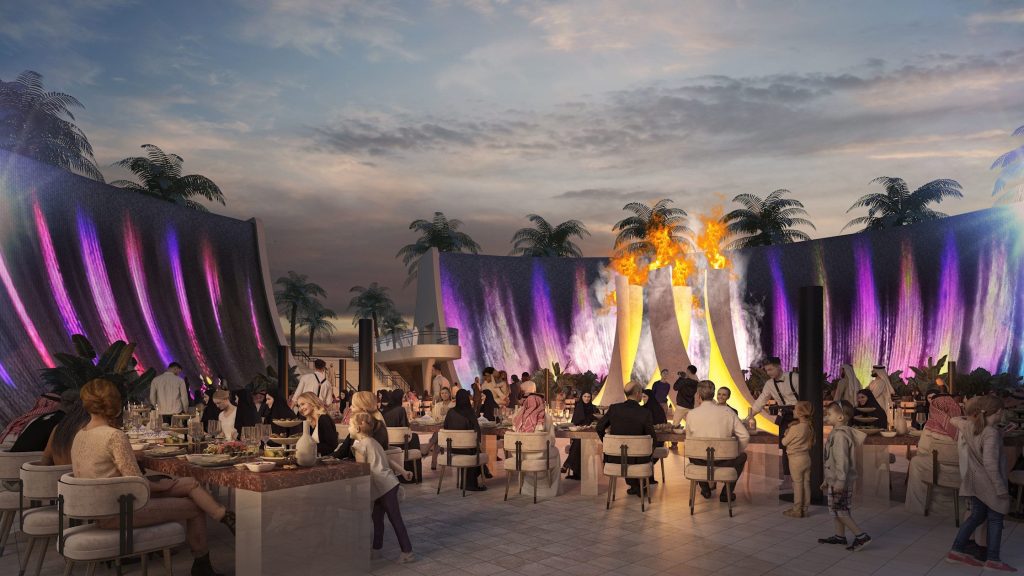
In Emirati households, Suhoor is often a quiet, intimate affair featuring protein-rich foods, dates, and Laban (buttermilk). However, the UAE’s social scene has transformed Suhoor into a late-night cultural event, with "Ramadan Tents" serving gourmet meals and shisha until the early hours of the morning.
5. Breaking the Fast: Dates and Gahwa
Following the example of the Prophet Muhammad (PBUH), the fast is traditionally broken with an odd number of dates and a sip of water or Gahwa (Arabic coffee).
The UAE is home to dozens of varieties of dates, ranging from the honey-like Khalas to the firm Lulu. Breaking the fast with dates isn't just religious; it’s a healthy way to provide the body with a quick burst of natural sugar and potassium after hours of abstinence.
6. The Iftar Feast: Harees and Machboos
While Iftar starts simply, it transitions into a grand culinary celebration. Emirati cuisine takes center stage during Ramadan. Two dishes are non-negotiable on a local table:
- Harees: A slow-cooked mixture of beaten wheat and meat (usually veal or chicken). It has a consistency similar to porridge and is incredibly nourishing.
- Machboos: A fragrant rice dish cooked with meat, dried lime (loomi), and a signature blend of Emirati spices.


Dessert almost always includes Luqaimat, crunchy, deep-fried dough balls drizzled with date syrup and sprinkled with sesame seeds.
7. The Spirit of Giving (Zakat and Charity)
Charity is a fundamental pillar of Islam, and in the UAE, it reaches its peak during Ramadan. The tradition of the Ramadan Fridge is a perfect example of modern Emirati grassroots charity, where residents place fridges outside their homes filled with free food and drinks for laborers and the needy.
The government also launches massive initiatives, such as the "1 Billion Meals" campaign, ensuring that the spirit of generosity extends far beyond the UAE’s borders.
8. Taraweeh and Tahajjud Prayers
As night falls, the mosques of the UAE come alive. Taraweeh are special congregational prayers performed only during Ramadan after the Isha prayer.
In the last ten nights of the month, worshippers engage in Tahajjud (late-night prayers), seeking Laylat Al Qadr (the Night of Power), which is believed to be the night the Quran was first revealed. The architectural beauty of mosques like the Sheikh Zayed Grand Mosque provides a serene backdrop for these spiritual marathons.
9. The Majlis Culture
The Majlis (meaning "place of sitting") is the heartbeat of Emirati social life. During Ramadan, these gatherings become even more frequent. After Iftar, men and women often host separate majlises where friends, family, and even strangers are welcomed to discuss community affairs, recite poetry, or simply enjoy each other's company.
This tradition reinforces the social fabric of the UAE, ensuring that elders are respected and the younger generation stays connected to their roots.
10. Preparation for Eid Al Fitr
As the month draws to a close, the atmosphere shifts toward celebration. The final days of Ramadan are dedicated to Zakat Al Fitr (a specific charitable donation) and preparing for Eid.
Emirati families visit tailors for new Kanduras (men’s robes) and Abayas (women’s cloaks). Homes are scented with expensive Oudh and Bukhoor (incense), and women apply intricate henna designs to their hands. The anticipation of Eid Al Fitr is a joyous conclusion to thirty days of discipline and devotion.
Why Ramadan in the UAE is Unique
The UAE manages a delicate balance between preserving ancient Bedouin customs and embracing a globalized population. You will see 5-star hotels hosting lavish Iftar tents alongside "Iftar Tents" set up by charities to feed thousands of workers for free. This duality—of luxury and humility, of tradition and modernity—is what makes the cultural traditions of Ramadan in the UAE so captivating.
Tips for Visitors During Ramadan:
- Dress Modestly: Out of respect for the holy month, wear clothing that covers shoulders and knees in public.
- Avoid Public Eating/Drinking: In most emirates, it is respectful to refrain from eating, drinking, or smoking in public during daylight hours.
- Join an Iftar: If you are invited to an Emirati home or a community Iftar, accept! It is the best way to experience the local hospitality.
- Check Operating Hours: Many businesses and government offices have reduced hours to accommodate those fasting.
Conclusion
The cultural traditions of Ramadan in the UAE are a testament to the nation's identity. They remind us that despite the rapid skyscrapers and technological advancements, the values of family, faith, and generosity remain the bedrock of Emirati society.
Whether it is the sound of the cannon at sunset or the sweet taste of a Luqaimat, Ramadan in the Emirates is an experience that stays with you long after the moon has waned.