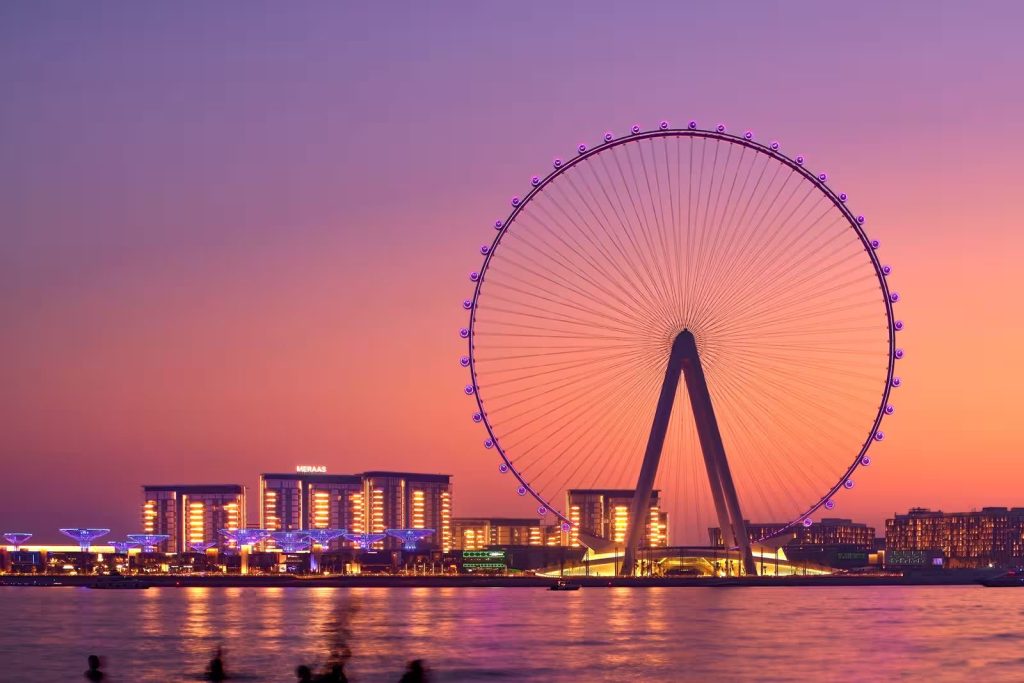
Ramadan in the United Arab Emirates has always been more than a religious observance; it is a cultural phenomenon that reshapes the rhythm of daily life. In a country known for its relentless pace, glittering skylines, and global diversity, the Holy Month brings a rare and beautiful shift. The energy softens. The nights brighten. Communities draw closer. Even for those who are not fasting, the atmosphere is unmistakably different — reflective, generous, and deeply human.

For residents, Ramadan is a familiar and cherished season. For tourists, especially those visiting Dubai for the first time, it can feel like stepping into a living cultural tapestry. And in 2026, the experience is particularly special. Falling during the UAE’s cool winter months, Ramadan 2026 offers the perfect blend of comfortable weather, outdoor festivities, and spiritual serenity.
This guide walks you through everything you need to know, from key dates and prayer timings to etiquette, events, and charitable opportunities , so you can navigate Dubai’s “nocturnal revival” with confidence and appreciation.
Ramadan 2026: Key Dates and Moon Sighting
As with every Islamic month, Ramadan begins with the sighting of the crescent moon. In the UAE, this responsibility lies with the official Moon Sighting Committee, which follows both astronomical calculations and traditional observation.
For 2026 (1447 AH), the committee confirmed that Ramadan began on Wednesday, February 18, 2026. The month is expected to last 29 or 30 days, depending on the sighting of the Shawwal crescent. This places Eid Al Fitr 2026 around Friday, March 20, 2026, though the exact date will be announced closer to the time.
If you want real-time updates, the Emirates News Agency (WAM) is the most reliable source for announcements on moon sightings and public holidays. Their coverage is timely, official, and widely followed across the country.
Prayer Timings and Fasting Hours in Dubai
Ramadan in 2026 brings relatively moderate fasting hours compared to the long summer fasts of previous years. With winter days being shorter, Muslims in Dubai fast for approximately 12 hours and 45 minutes, with the duration increasing slightly as the month progresses.
On the first day of Ramadan in Dubai, the key timings were:
- Imsak (Stop Eating): 05:24 AM
- Fajr (Start Fast): 05:34 AM
- Maghrib (Iftar): 06:18 PM
- Isha / Taraweeh: 07:32 PM
These timings shift daily, so for the most accurate schedule, the Islamic Affairs and Charitable Activities Department (IACAD) publishes updated prayer calendars throughout the month.
For tourists, understanding these timings helps you plan your day, especially if you want to attend an Iftar, avoid peak traffic, or simply observe the cultural rhythm around you.
Official Working Hours and Ramadan Regulations
Ramadan brings a nationwide adjustment to working hours and public operations. These changes apply to both Muslims and non-Muslims, reflecting the UAE’s commitment to work-life balance during the Holy Month.
Private Sector
Under UAE Labour Law, all private sector employees receive a two-hour reduction in their daily working hours during Ramadan. This means:
- An 8-hour shift becomes 6 hours
- Salaries remain unchanged
- The reduction applies regardless of whether the employee is fasting
Overtime rules also shift during Ramadan:
- Work beyond the reduced hours is compensated at +25% during the day
- Work between 10 PM and 4 AM is compensated at +50%
These regulations ensure that employees can manage their spiritual commitments, family time, and rest.
Public Sector
Government entities typically operate on shorter schedules:
- Monday–Thursday: 9:00 AM to 2:30 PM
- Friday: 9:00 AM to 12:00 PM
In 2026, many departments have embraced remote-work Fridays, allowing up to 70% of staff to work from home. This aligns with the UAE’s “Year of the Family” initiative, encouraging stronger family bonds and community engagement.
Etiquette for Tourists and Non-Muslims
Dubai is one of the world’s most cosmopolitan cities, and Ramadan is observed with both reverence and inclusivity. Non-Muslims are welcome to enjoy the city as usual, but a few etiquette guidelines help ensure respect for those fasting.
Dining in Public
Unlike earlier years, most restaurants, cafés, and mall food courts now operate normally during the day. You can dine indoors without curtains or partitions. However:
- Avoid eating, drinking, or smoking while walking outdoors
- Be mindful in public spaces like bus stops or queues
This small gesture goes a long way in showing cultural respect.
Dress Code
Dubai’s dress code is generally relaxed, but during Ramadan, modesty is appreciated:
- Cover shoulders and knees in public areas
- Beachwear is still acceptable at pools and private beaches
Think of it as a month to lean into cultural sensitivity.
Traffic Awareness
The hour before sunset — roughly 5:00 PM to 6:15 PM — is the busiest time on Dubai’s roads. People rush home to break their fast with family, and traffic can be intense.
To avoid delays:
- Travel earlier in the afternoon
- Use the Dubai Metro, which operates extended hours during Ramadan
- Avoid scheduling meetings or outings close to Iftar time
Ramadan Nights: Dubai’s Cultural Revival
Once the Maghrib call to prayer echoes across the city, Dubai transforms. Streets light up, markets open, and families gather for Iftar and Suhoor. The city becomes a vibrant, nocturnal celebration of culture, food, and community.
Here are the top experiences you shouldn’t miss in 2026:
1. Ramadan Street Food Festival – Sheikh Hamdan Colony
This bustling neighborhood in Karama becomes a paradise for food lovers. Expect:
- Affordable, authentic dishes from across the Muslim world
- Pop-up stalls serving everything from kebabs to kunafa
- A lively, family-friendly atmosphere
It’s one of the best places to experience Dubai’s multicultural spirit.
2. Hai Ramadan at Expo City
Expo City hosts one of the UAE’s largest Ramadan villages, featuring:
- Traditional souks
- Cultural performances
- Storytelling sessions
- Light shows at the iconic Al Wasl Dome
It’s immersive, educational, and visually stunning.
3. The Ramadan Cannon (Midfa Al Iftar)
A beloved tradition dating back decades, the firing of the Ramadan cannon signals the end of the fast. You can witness it at:
- Burj Khalifa
- Madinat Jumeirah
- Expo City
It’s a beautiful blend of heritage and ceremony.
4. Ramadan Wonders at Global Village
Global Village becomes even more magical during Ramadan:
- Extended hours
- Special Iftar and Suhoor menus
- Cultural shows
- Shopping from over 90 countries
It’s a festive, family-friendly destination that captures the global essence of Dubai.
Giving Back: Charity and Community Initiatives
Ramadan is the month of Zakat, or charitable giving. The UAE places strong emphasis on community support, and there are many ways to contribute.
Emirates Red Crescent
Their “Continuous Giving” campaign allows you to donate:
- Food baskets
- Eid clothing
- Emergency aid
You can contribute online through rcuae.ae.
Dubai Charity Association
Their “Goodness Endures” initiative focuses on:
- Orphan sponsorship
- Iftar meal distribution
- Community support programs
Even small contributions make a meaningful impact.
Why Ramadan 2026 in Dubai Is Truly Unforgettable
Ramadan in the UAE is a season that blends spirituality with hospitality, tradition with modernity, and community with celebration. In 2026, the cool winter weather enhances the experience, making outdoor Iftars, night markets, and cultural festivals even more enjoyable.
Whether you’re fasting or simply observing, the month offers a rare opportunity to slow down, reconnect, and witness the UAE at its most heartfelt. The lights of Dubai may shine year-round, but during Ramadan, they glow with a deeper meaning, one that lingers long after Eid